
Colocasia (kolokas) in Northern Cyprus — recipes, benefits, and facts
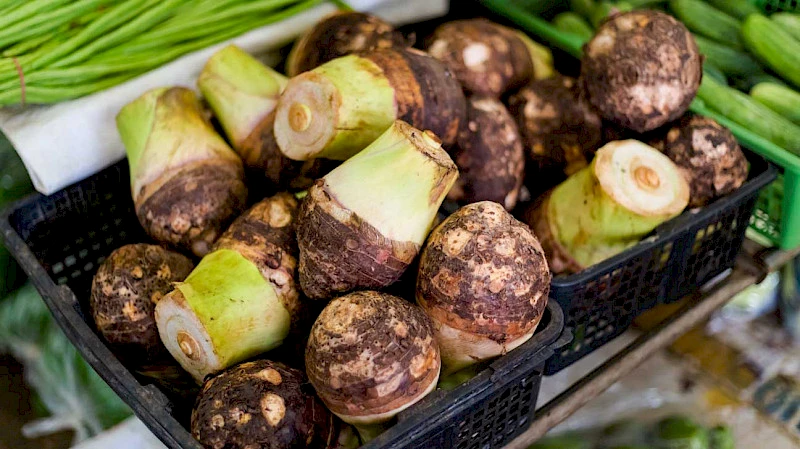
If you have visited Northern Cyprus, you have probably seen a large, unusually shaped root vegetable at markets or in stores. This is colocasia, or, as the Cypriots call it, kolokas. One of the oldest products of the local cuisine, it is rightly considered a gastronomic symbol of the island.
What is Colocasia
Colocasia esculenta is a tropical plant grown for its edible starchy root. In different countries it is called taro, and in Cyprus — kolokas. It is one of the oldest cultivated vegetables in the world, originating from Southeast Asia. Today, colocasia is actively grown in Cyprus, especially in the Famagusta region.
Kolokas has been prepared on the island for several centuries and has firmly entered traditional Cypriot cuisine. In rural areas, it is grown for home use and is often combined with meat, beans, or tomatoes. The root vegetable tastes similar to potato but has a mild nutty flavor and creamy texture.
Important: raw colocasia is inedible — its skin and juice contain calcium oxalate crystals, which can cause irritation to the skin and mucous membranes. Therefore, the tubers are always peeled and cooked.
Health Benefits of Kolokas
Kolokas is not only tasty but also very healthy. Here are its main benefits:
- Source of fiber. Improves digestion, promotes a feeling of fullness, and normalizes metabolism.
- Rich in vitamins and minerals. Contains vitamins A, C, B6, potassium, magnesium, and iron, supporting heart and nervous system health.
- Antioxidant properties. Helps fight free radicals and slows down cell aging.
- Good for the heart. Potassium helps regulate blood pressure and strengthens the cardiovascular system.
- Suitable for dietary nutrition. With low fat content and no gluten, kolokas is recommended for diabetes and hypertension.
How to Consume Kolokas
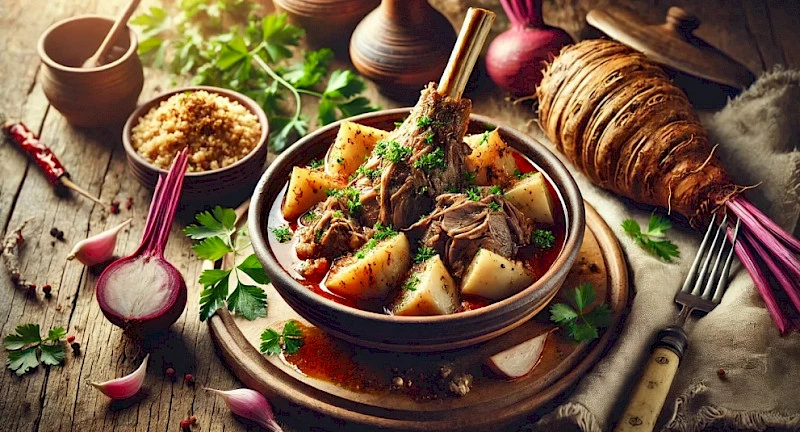
In Northern Cyprus, kolokas is most often boiled in tomato sauce with meat or vegetables. Its taste pairs well with lamb, chicken, chickpeas, and bulgur. This dish is traditionally prepared in winter when the weather is cooler.
Besides classic recipes, kolokas can be fried, baked, or used as a base for puree. In Asia and Africa, it is used to make chips, soups, and even sweet desserts. After cooking, the tubers become soft, creamy, and retain a light nutty aroma.
Kolokas Recipes
Kolokas with Lamb
Ingredients:
- 1 kg kolokas;
- 300 g lamb;
- 2 onions;
- 2 tbsp olive oil;
- 1 tbsp tomato paste;
- 3 cups water;
- 1 tsp lemon juice;
- Salt and pepper to taste.
Preparation:
- Peel the kolokas and cut into large pieces.
- Fry the lamb with onions until golden brown.
- Add tomato paste, water, and bring to a boil.
- When the meat is tender, add kolokas, seasonings, and lemon juice. Simmer for 30 minutes on low heat.
- Serve hot, garnished with fresh herbs.
Kolokas with Chicken
Ingredients:
- 1 kg chicken, cut into pieces;
- 1 kg kolokas;
- 4 tbsp vegetable oil;
- 1 tbsp olive oil;
- 1 medium onion;
- 4 celery stalks;
- 1 tbsp tomato paste;
- 1 liter chicken broth;
- Salt and pepper to taste.
Preparation:
- Fry the chicken until golden brown, set aside.
- In the same pan, fry the onion and add celery.
- Peel the kolokas and break it into pieces (use a knife to break, not cut).
- Add chicken and kolokas to the pan, season with salt and pepper.
- Dilute the tomato paste in the broth, pour in, cover, and simmer for 30 minutes.
This method of preparation makes the dish especially aromatic and rich. Omitting the meat will result in a delicious vegetarian side dish.
Frequently Asked Questions about Kolokas
Where else is kolokas eaten?
Besides Cyprus, colocasia is grown and widely used in the cuisines of Asia, Africa, and the Middle East. In Japan and Hawaii, taro is used for desserts and soups, while in Cyprus it is mainly used in meat dishes.
How to properly wash and peel kolokas?
Kolokas is not washed but carefully peeled, holding the tuber over paper or a towel. After peeling, the surface is wiped dry. This avoids skin irritation from the plant's juice.
How to properly cut kolokas?
Kolokas should not be cut like potatoes. The knife should be plunged into the tuber and rotated to break off pieces — this preserves the vegetable’s structure, and the pieces won’t fall apart when cooked.
For more recipes and interesting facts about Cypriot cuisine, follow our Instagram and Telegram channel.
Author

I am a person who is not afraid to change life when my heart tells me that something greater lies ahead. I am originally from Belarus. I have journeyed from pedagogical and economic education to the financial sector and many years of work in logistics — a world where everything moves, changes,…