
Athens Responds to Ankara: Reaction to F-16 Deployment in Northern Cyprus
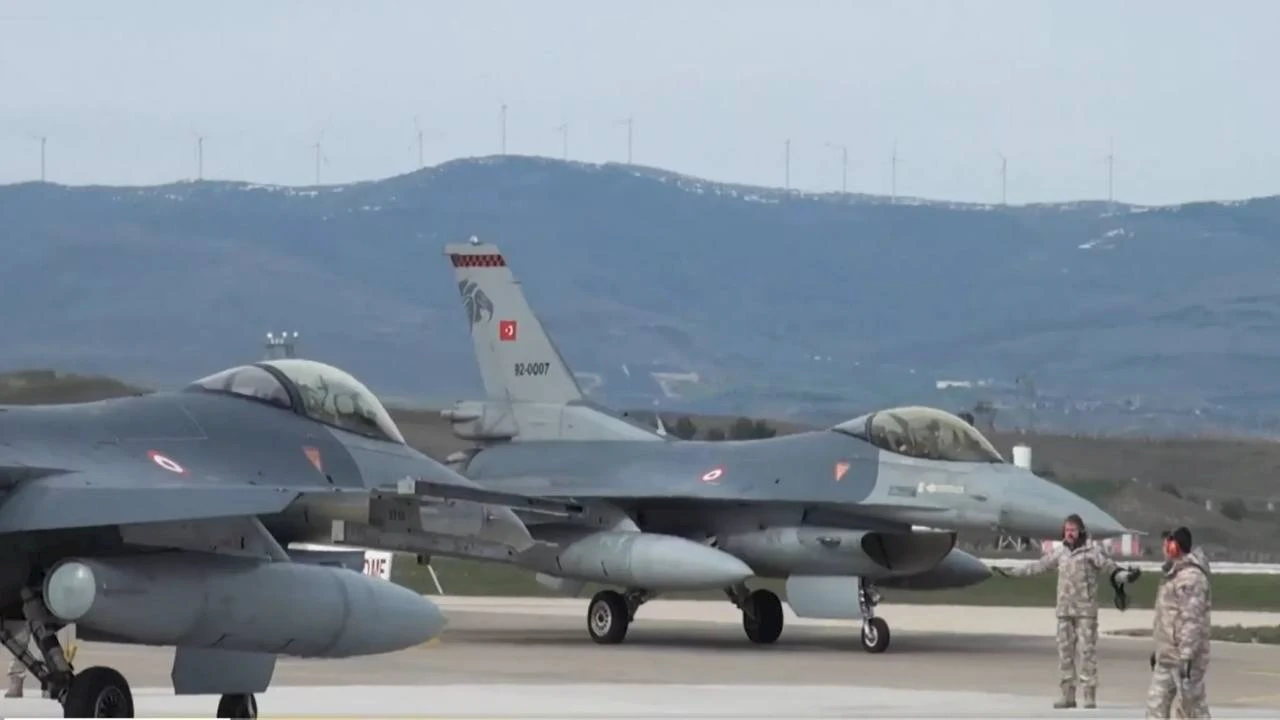
Greece's reaction to the deployment of Turkish F-16 Fighting Falcon fighter jets in the territory of the unrecognized TRNC was not immediate, but ultimately Athens provided a clear diplomatic response to Ankara.
The statement was made during a briefing for diplomatic correspondents, where Greek representatives commented on both the dispatch of Turkish aircraft to northern Cyprus and Turkey's recurring demands for the demilitarization of Greek islands.
Athens: Occupation Does Not Grant the Right to Military Reinforcement
The Greek Foreign Ministry emphasized that the Turkish invasion and ongoing occupation of part of Cyprus cannot serve as a justification for the deployment of additional military forces.
According to diplomatic officials, Athens' position remains unchanged: supporting the Republic of Cyprus is a historical duty of Greece. At the same time, Athens stresses that assistance to Nicosia is strictly defensive in nature.
The Greek side also noted that the Republic of Cyprus, despite more than half a century of Turkish military occupation on the island, continues to act as a factor of stability in the Eastern Mediterranean.
New Dispute Over Aegean Sea Islands
In addition to the Cyprus issue, Athens responded to Ankara's latest statements regarding Greece's military presence on the Aegean islands. This included Turkish criticism of the deployment of MIM-104 Patriot air defense systems on the island of Karpathos.
Greek Foreign Ministry spokesperson Lana Zochiou stated that Athens' position on this matter has been repeatedly voiced and remains firm.
Athens Cites International Treaties
The Greek Foreign Ministry stressed that the status of the Eastern Aegean islands is regulated by several international agreements, including:
- The Treaty of Lausanne
- The Montreux Convention
- The Paris Peace Treaty
As noted in Athens, these documents leave no doubt regarding the status of the Greek islands. Furthermore, it is highlighted that Turkey is not a party to the Paris Treaty, and therefore cannot make demands based on its provisions.
Defense as a Response to Instability
Greek diplomacy also made it clear that the country's defensive policy remains inviolable, especially under conditions of increased regional instability. Athens believes that strengthening the defense of the Aegean islands is not an offensive measure, but a necessary step to protect national security.
Thus, several days after Ankara's statements, Greece provided a diplomatic response, emphasizing two key positions:
- Support for the Republic of Cyprus remains steadfast
- Turkey's demands for the demilitarization of Greek islands continue to be categorically rejected by Athens
Author

Born in the city of shipbuilders, Mykolaiv (Ukraine). Currently living in Moscow. Diplomat in reserve. More than 10 years of experience in the Mediterranean region (Greece, Cyprus). Until 2015, First Secretary of the Russian Embassy in Cyprus. Fluent in Greek and English. Completed civil service in…
