
Increase in Coxsackie Virus Infections Observed Among Children in Cyprus
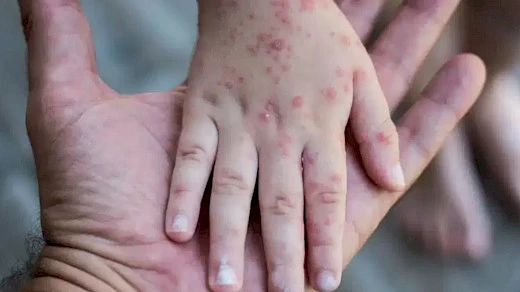
Medical services in Cyprus are reporting an increase in cases of Coxsackie virus infection — also known as Hand, Foot and Mouth Disease (HFMD) — among young children. The rise is mainly observed in kindergartens and primary schools, where infection spreads easily through close contact and shared objects.
Pediatricians warn that the disease is highly contagious even with minimal symptoms. Specialist Panayiotis Yangu emphasizes that the rash appearing on the palms, soles, and in the mouth often causes pain, refusal to eat or drink, requiring close parental supervision.
Doctors remind that a child may return to group settings only after the rash has completely disappeared, as this indicates the body no longer poses a significant epidemic risk. While the infection is active, children should stay home to prevent spreading it to others.
For prevention, specialists recommend:
- thoroughly washing hands with soap and water after contact with children or changing diapers;
- disinfecting toys, cups, and other shared items;
- not sending children with symptoms to childcare groups;
- ensuring adequate hydration and rest for the child during illness;
- seeking medical attention immediately if dehydration symptoms or persistent high fever occur.
In adults, the infection is extremely rare and usually mild. Nevertheless, attention and hygiene measures are important for all families.
Medical experts note that Coxsackie virus outbreaks are seasonal, most often increasing in spring and autumn. Rapid identification and isolation of affected individuals help contain the spread of the infection.
Author

Education: Higher legal education (specialization — military law), 2007–2012; Advanced training courses in management and law enforcement (2013–2015). Work Experience: Head of departments for law enforcement and administrative practice (2012–2020) Expert in economic evaluation and…
You may also be interested in:
- AFIS Cyprus collected over 1,000 tonnes of batteries: a record result for 2025
- In Paphos, a mother accused a teacher of abusing a six-year-old child
- Cyprus taxi drivers continue protests: a new 24-hour strike announced
- A new mural in old Nicosia: beauty without illusions and a conversation about coexistence
- A large colony of rare bats discovered in the Troodos forests
