
Poisonous Plants of Cyprus — How to Recognize Them and What to Do if You Come into Contact
Cyprus is a paradise for plant lovers, but among the beautiful flora, there are some species best avoided. Below is a list of common poisonous plants found across the island (both in the north and south), along with brief safety recommendations.
- Oleander
- Plumeria
- Laburnum
- Ipomoea
- Colchicum
- Frequently Asked Questions
- Safety Guidelines and First Aid
The island is politically divided, but plants know no borders — all the listed species are common in both the northern and southern parts of Cyprus. Remember: these plants should not be ingested. If you come into contact with their sap, wash your hands thoroughly immediately.
Oleander
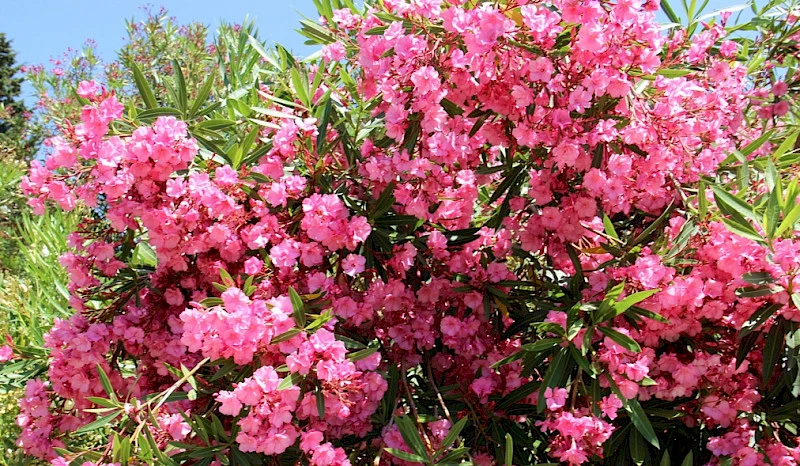
Common Oleander (Nerium oleander) is a large evergreen shrub from the Apocynaceae family. Its leaves are leathery and lance-shaped (up to 15 cm), flowers are large, usually pink or white, arranged in clusters at the branch tips. Red and yellow forms exist, and garden varieties may be double-flowered. Fruits are multi-seeded pods up to 10 cm long. It grows wild along drying riverbeds.
Toxicity: all parts are poisonous (contain cardiac glycosides). Symptoms can include colic, vomiting, gastrointestinal disorders, arrhythmias, central nervous system depression, and heart failure in severe poisoning. Not recommended for indoor cultivation, or in schools and childcare facilities. Smoke from burning oleander is also toxic.
Plumeria
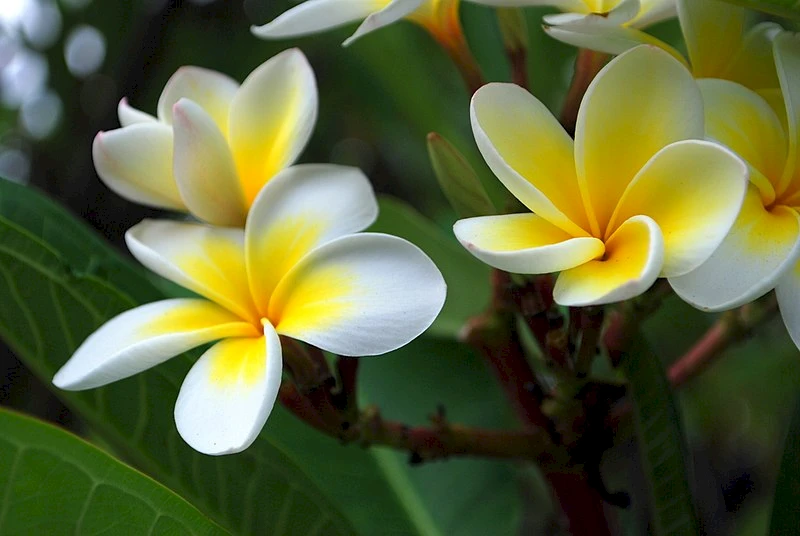
Plumeria (Plumeria) is a tropical tree/shrub from the Apocynaceae family. Leaves are large, thick, and glossy. Flowers have five petals, white or white-pink-orange, fragrant, and grouped in inflorescences.
Toxicity: the milky sap irritates skin and mucous membranes, can cause conjunctivitis, and if ingested — gastrointestinal disorders and cardiotoxic effects. Wear gloves, and prevent contact between children or pets and the flowers or leaves.
Laburnum
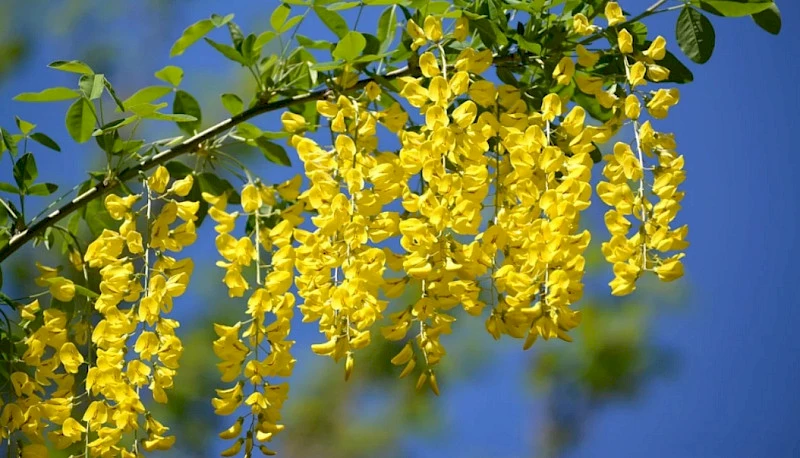
Laburnum (Laburnum anagyroides) is a shrub/small tree from the Fabaceae family. Leaves are trifoliate, long (up to 25 cm) with hanging clusters of bright yellow pea-like flowers in spring. It is a good nectar source and produces pod-like fruits.
Toxicity: all parts are poisonous, especially the seeds. Contains cytisine — possible symptoms include drooling, nausea, vomiting, muscle spasms, breathing difficulties, and convulsions. Prevent children or pets from ingesting the seeds.
Ipomoea
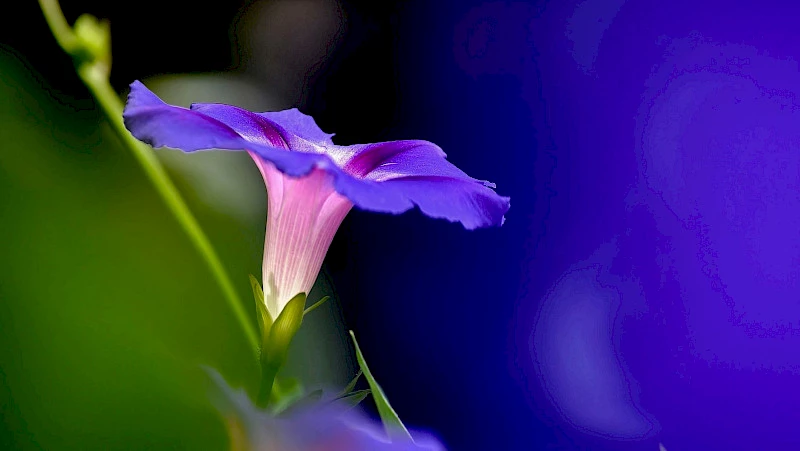
Ipomoea (Ipomoea) is a genus of climbing plants with ~800 species: from edible crops to ornamentals. In Cypriot gardens, Ipomoea violacea is common — a vigorous vine with large funnel-shaped flowers (5–7 cm) in white/purple shades and heart-shaped leaves.
Toxicity: seeds of some species contain lysergic acid derivatives (LSA), causing severe poisoning and psychoactive effects. Keep seeds out of reach of children and animals.
Colchicum
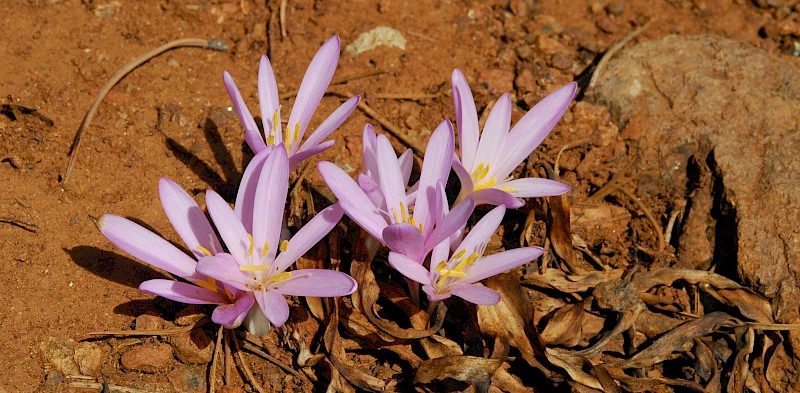
Colchicum, autumn crocus is a perennial from the Colchicaceae family. In Cyprus, Colchicum troodi is common (mostly in the Troodos Mountains). Flowers bloom in autumn: first white/lilac-pink flowers, followed by leaves. Seeds appear in spring of the following year.
Toxicity: corms and seeds contain colchicine. Symptoms may appear up to 24 hours after ingestion: burning in the mouth, abdominal pain, diarrhea, followed by bone marrow suppression and multi-organ complications. If suspected — seek medical attention immediately.
Frequently Asked Questions
What other plants can be problematic?
Not always poisonous, but may cause allergies or irritation: poinsettia (milky sap), dieffenbachia (calcium oxalate crystals), euphorbias, cyclamens, azaleas/rhododendrons, some ferns, geraniums, violets, and cacti (including Trichocereus).
Which living creatures are more dangerous?
On land — snakes (the horned viper is potentially dangerous, especially for children/allergy sufferers). There are also spiders in Cyprus, but their venom is usually harmless to a healthy adult. In the sea, be aware of poisonous fish off the coast of Cyprus — exercise caution when swimming or fishing.
Where to read timely warnings?
We publish such materials on our website, as well as on the Telegram channel and Instagram.
Safety Guidelines and First Aid
When handling plants: wear gloves, protective clothing, and safety glasses when cutting milky-sapped plants (oleander, plumeria). Do not burn green oleander mass in a fire.
If sap gets on skin or in eyes: rinse with running water for 10–15 minutes, do not rub. If irritation persists — consult a doctor.
If plant parts/seeds are accidentally ingested: rinse mouth immediately, do not induce vomiting, give the victim water (if conscious), keep a sample of the plant, and seek urgent medical attention.
Children and pets: keep seeds/plant parts out of reach. Symptoms in animals (drooling, tremors, vomiting, lethargy) require a veterinary visit immediately.
Be cautious: the beautiful Mediterranean flora deserves respectful handling. Follow simple safety measures, and Cyprus will remain only a pleasant memory for you.
Author

I am a person who is not afraid to change life when my heart tells me that something greater lies ahead. I am originally from Belarus. I have journeyed from pedagogical and economic education to the financial sector and many years of work in logistics — a world where everything moves, changes,…