
St. Hilarion Castle in Northern Cyprus
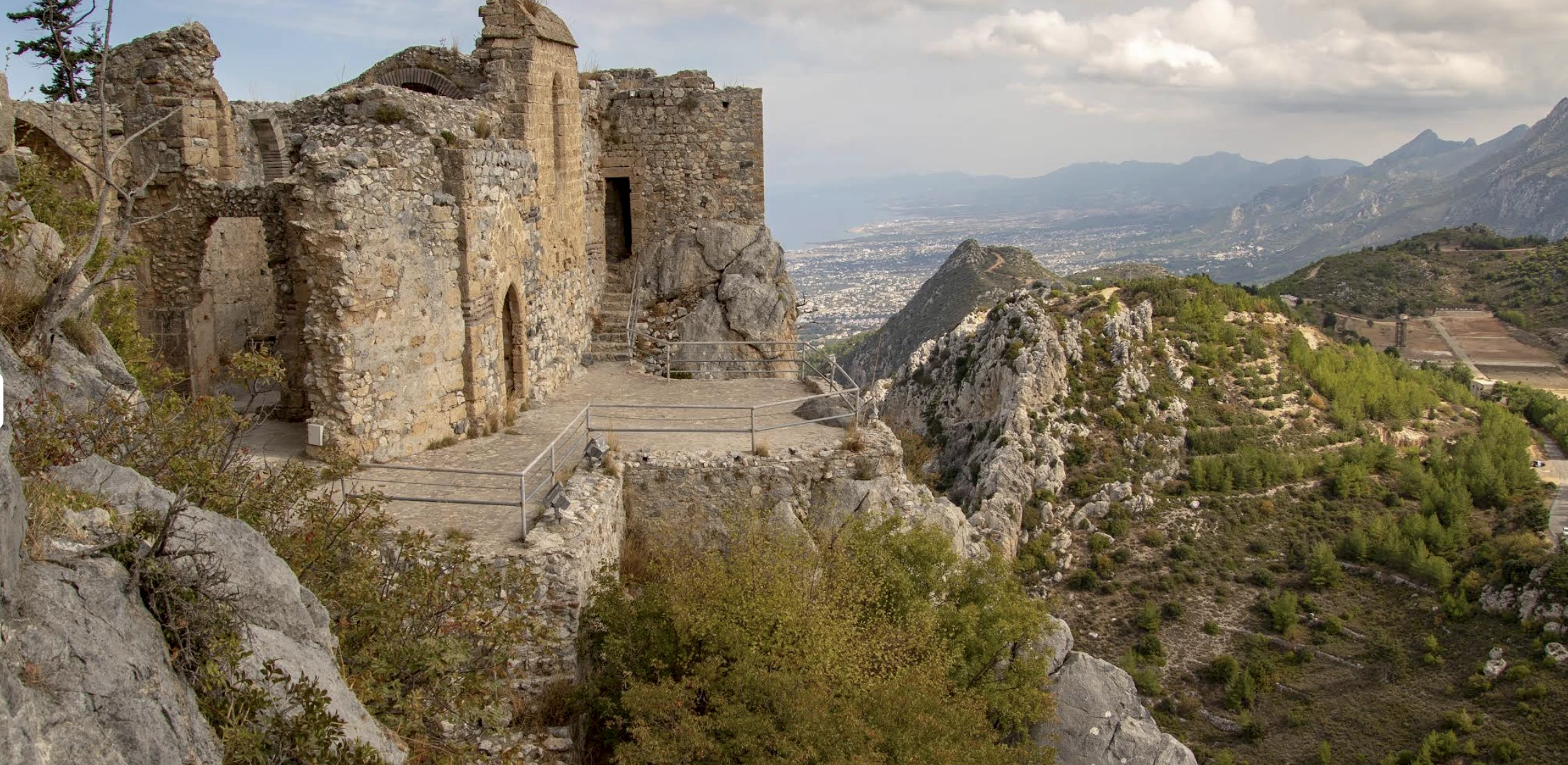
St. Hilarion Castle — one of the three largest castles in Northern Cyprus and the best preserved among them. Thanks to its convenient access, developed infrastructure, and impressive views, it is considered the most visited castle on the island.
The fortress is located on the Kyrenia mountain range and offers panoramic views of Kyrenia and the entire northern coast. The area is large, with many levels and passageways, so it is recommended to allocate at least half a day for a visit.
- General information about the castle
- History of the castle
- What to see inside
- How to get there
- Entrance fees

General information about the castle
St. Hilarion Castle is considered the most "accessible" of the mountain castles in Northern Cyprus, as it is possible to drive almost to the entrance. There is parking, a café, and well-arranged routes for visitors.
This castle is most often recommended for a first acquaintance with the island's mountain fortresses.
History of the castle
The castle is named after the hermit Hilarion, who lived in a hermitage on this site in the 4th century. Later, the Byzantines significantly strengthened the structure, transforming the monastery into a powerful defensive fortress.
After the fortification, no siege was able to capture the castle, making it one of the key defensive points of the Kyrenia mountain range. Over time, the castle was used by various rulers of the island and rebuilt multiple times.
What to see inside
The castle grounds are multi-level and quite extensive. Walls, towers, utility buildings, and residential quarters have been preserved here.
Be sure to climb to the very top, where the remains of the royal chambers and watchtowers are located. From here, some of the best views in Northern Cyprus can be enjoyed.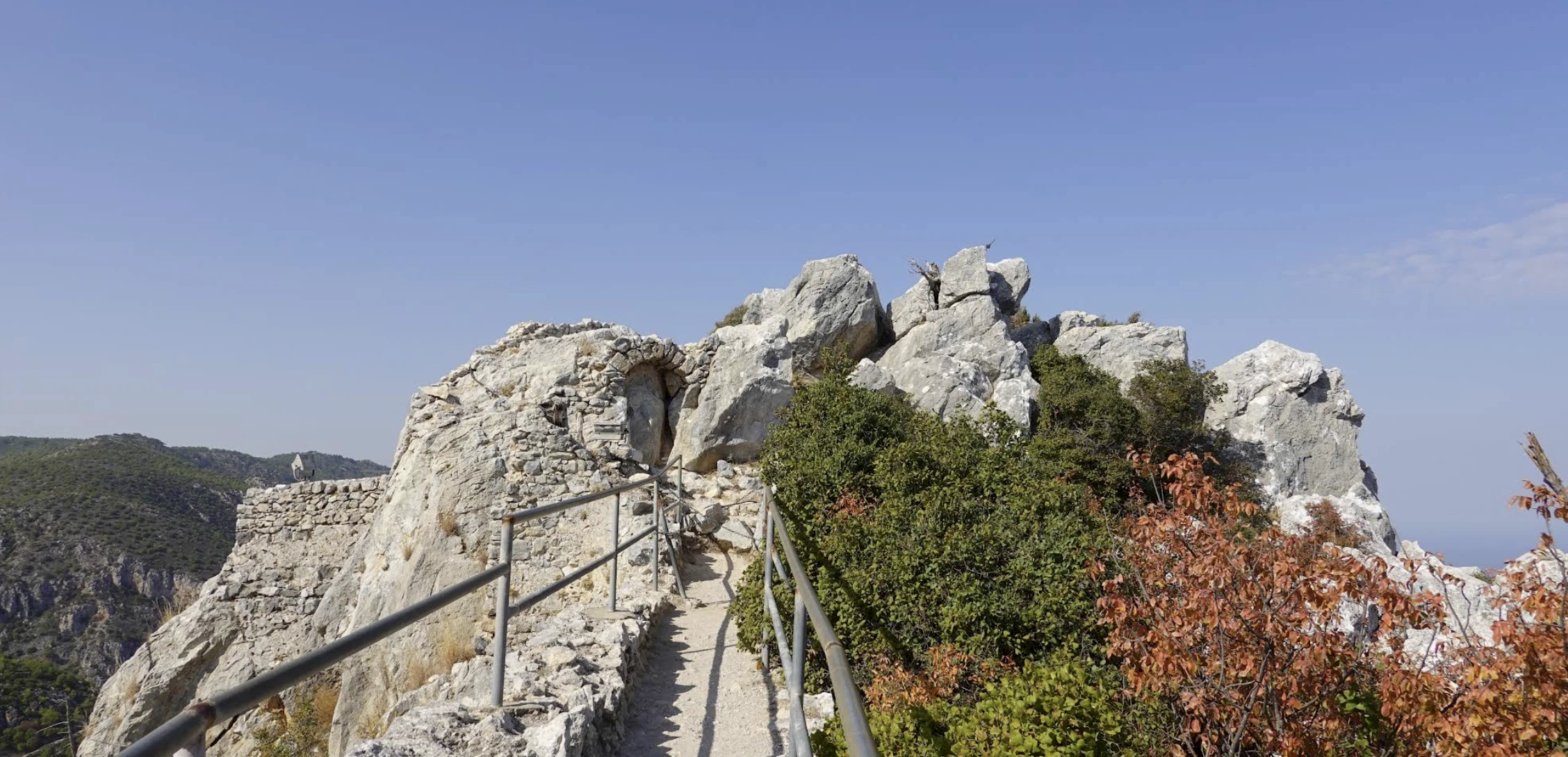
How to get there
You can drive almost up to the castle entrance. There is parking and a small café nearby.
The most convenient approach is from the Nicosia side: there will be a left turn from the highway towards Kyrenia, and numerous signs will guide you.
- If you do not have a car, you can rent one through the online service GetRentacar or directly from one of the car rental companies in Northern Cyprus.
Entrance fees
The ticket offices are located after the first gate on the right.
- Adult ticket: 50 TRY
- Discounted ticket: 20 TRY
Author

I am a person who is not afraid to change life when my heart tells me that something greater lies ahead. I am originally from Belarus. I have journeyed from pedagogical and economic education to the financial sector and many years of work in logistics — a world where everything moves, changes,…
Comments