
“Energy and politics: why the cable project between the TRNC and Turkey fell outside European plans”
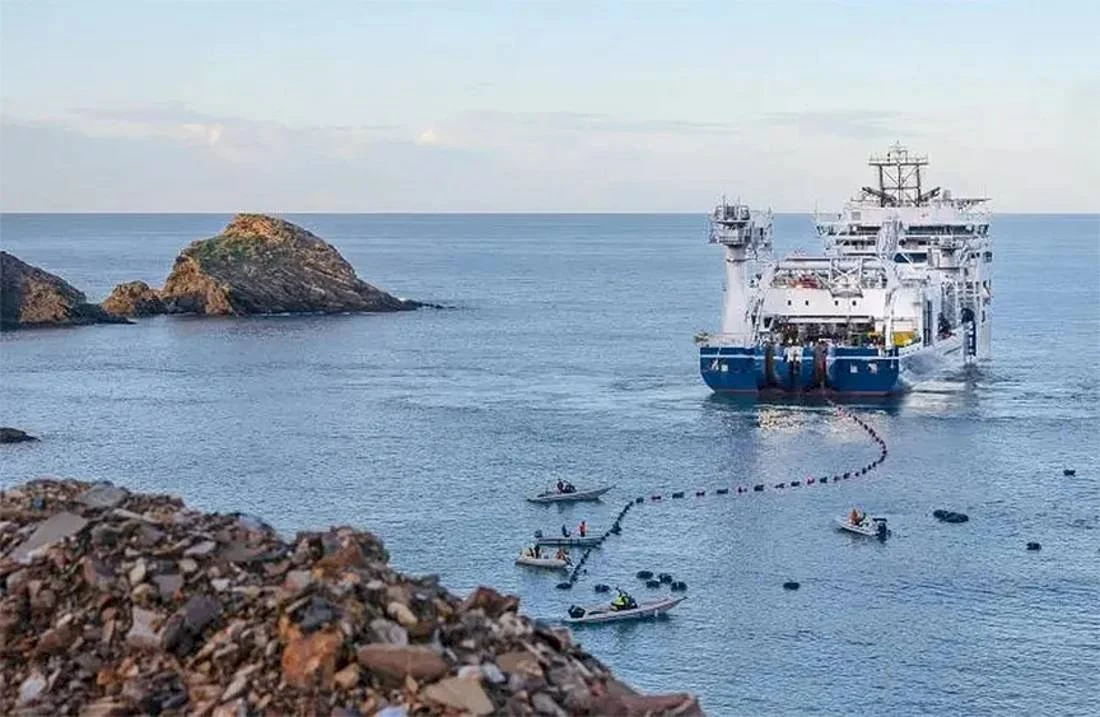
The European energy system has once again found itself at the center of the political standoff surrounding Cyprus. The European Network of Transmission System Operators for Electricity — ENTSO-E — has refused to include the underwater electric cable project between Northern Cyprus and Turkey in its ten-year development plan. The decision, technical at first glance, actually reflects a complex mix of energy, law, and geopolitics in the Republic of Cyprus.
Which Cyprus power supply project is a priority for the EU?
The only officially recognized project that will connect the Cyprus power system with external networks remains the Great Sea Interconnector. This large-scale project is intended to unite the energy systems of Cyprus and Greece, effectively integrating the island into the pan-European network. Any alternative initiatives, including the cable between Northern Cyprus and Turkey, are not considered without the consent of the official operator of the Republic of Cyprus.
The key point here is legal. Within the framework of EU legislation, only one operator is recognized across the entire territory of the country. Consequently, any projects proposed without its participation automatically fall outside the European Union's legal framework.
Cheaper, but unfeasible?
Meanwhile, in the north of the island, the idea of a cable with Turkey is being promoted as a more profitable alternative. Earlier, Turkish Cypriot representatives announced the project's readiness: a 95-kilometer bidirectional cable with a capacity of up to 800 megawatts. Arguments in favor of this option include:
- Project cost — approximately 450 million dollars (significantly lower than competitors).
- Substantially lower operating costs.
- Technical readiness of the project documentation.
However, behind the economic logic lies a political reality that makes the implementation of the initiative in Cyprus extremely difficult.
Politics vs. Economics
Even supporters of the project acknowledge its vulnerability. The head of the Turkish Cypriot electricity workers' union El-Sen stated directly: despite economic feasibility, the project is effectively “politically impossible.”
“The main reason is the lack of consent between the key parties. To implement the project, the Turkish operator TEİAŞ must conclude an official agreement with the operator of the Republic of Cyprus.”
Without such an agreement, any application to ENTSO-E has no chance of consideration. It is this factor that essentially blocks the initiative at the international level.
Analysis: Energy as a continuation of conflict
The situation surrounding the energy cable demonstrates a broader problem: infrastructure projects in Cyprus inevitably become hostages to the unresolved political conflict. From an economic point of view, the short route through Turkey looks rational, but the lack of recognition of the northern part of the island excludes integration into the European system.
In this context, the choice in favor of the Great Sea Interconnector looks like an institutional solution: it fully complies with EU rules and does not require politically sensitive agreements that are currently impossible on the island.
What's next?
ENTSO-E's refusal is a clear signal: any energy solutions in the region must be based on internationally recognized structures and legal frameworks. Until this happens, even the most profitable initiatives risk remaining only on paper. Energy in Cyprus remains not so much a question of technology as a continuation of politics.
Key findings:
- ENTSO-E rejected the “Northern Cyprus — Turkey” cable project.
- Great Sea Interconnector (Cyprus — Greece) remains the only legitimate project for the EU.
- Legal barrier: the lack of an agreement with the official operator of the Republic of Cyprus blocks any alternatives.
- Political priority: institutional compliance with EU norms is more important than the potential economic benefit of the project.
Author

Born in the city of shipbuilders, Mykolaiv (Ukraine). Currently living in Moscow. Diplomat in reserve. More than 10 years of experience in the Mediterranean region (Greece, Cyprus). Until 2015, First Secretary of the Russian Embassy in Cyprus. Fluent in Greek and English. Completed civil service in…
You may also be interested in:
- Schengen for the Republic of Cyprus is delayed: what this could mean for the TRNC
- Series of anti-drug raids in TRNC: seven people detained
- A 66-year-old man arrested in Sipahi over dog's death
- TRNC Parliament approves 'immigration amnesty' for migration regime violators
- EU to allocate 2 million euros to support Turkish Cypriot businesses
