
Where is Northern Cyprus heading and why is social tension growing on the island?
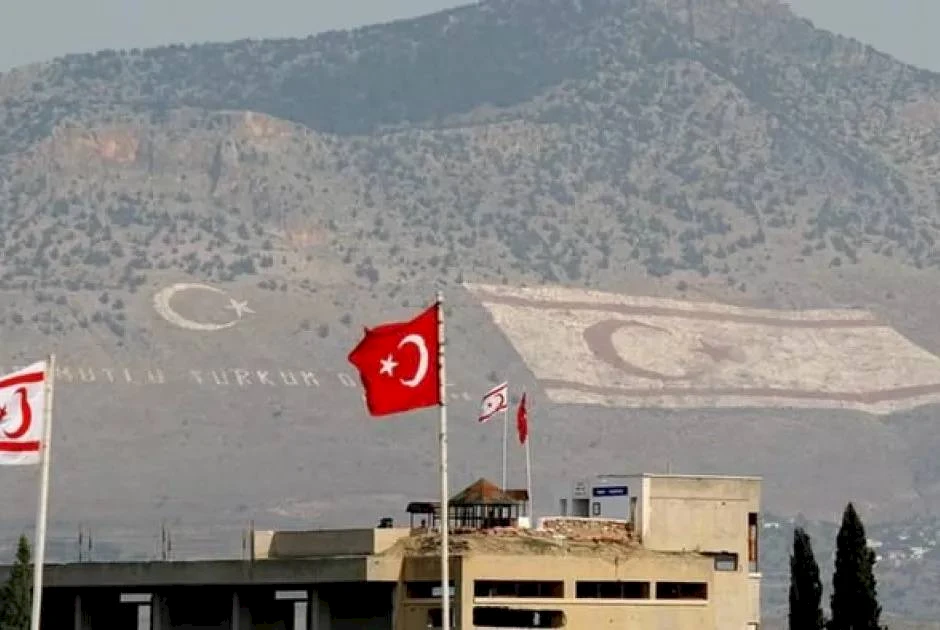
In the occupied territories of Cyprus, deep public discontent is growing, according to data from a new study published by the Turkish Cypriot Centre for Migration, Identity and Rights (CMIRS). According to the survey conducted in March 2026, the vast majority of Turkish Cypriots — 90.4% — believe that the situation in this part of the Republic of Cyprus is moving in the wrong direction.
The study, based on personal interviews with 500 participants, records a steady crisis of public perception that has lasted for nearly a decade. According to the center's director, Mine Yücel, the level of dissatisfaction has remained consistently high since 2017, reaching its peak at 97% in 2022. Despite a slight decrease, current indicators point not to improvement, but to the entrenchment of a negative trend.
What are the main causes of social discontent in Cyprus today?
The key factors of public dissatisfaction remain economic problems, inflation, and a systemic crisis of trust in the authorities. These lead the list of the most acute issues, followed by the Cyprus problem, corruption, and ineffective political leadership. Significant concern is also caused by the state of the healthcare system and infrastructure failures, especially in the area of electricity supply.
Public expectations regarding the future look bleak. Almost two-thirds of respondents (63.33%) believe their personal financial situation will worsen in the next two years. Optimists make up only about 8%. In the assessment of the general economic situation, pessimism is even higher: almost 70% expect deterioration, while less than 5% hope for positive changes.
Such sentiments are backed by real difficulties:
- More than half of those surveyed (53.6%) cannot cover basic family expenses.
- Almost three-quarters feel anxiety regarding credit obligations.
- 74.2% of the population face the impossibility of paying for quality medical services.
Crisis of trust and social well-being
Beyond economic problems, the study reveals a serious crisis of trust in society. The social trust index stood at only 3.49 out of 10 — an extremely low figure that, according to researchers, reflects the erosion of public institutions and doubts about the effectiveness of democratic mechanisms.
"The happiness index also remains at a moderately low level — 5.95 out of 10. This suggests that even while maintaining relative social stability, the population does not feel confidence in the future."
Analytical view: systemic crisis or temporary downturn?
The combination of factors — economic pressure, distrust in the authorities, and weak social institutions — forms a systemic crisis. Notably, in the public's perception, economic difficulties are closely intertwined with political ones: corruption and ineffective leadership are perceived not as separate problems, but as causes for the deterioration of daily life.
The long-term persistence of such sentiments points to a lack of effective reforms and limited opportunities for improvement in the short term. Moreover, the high level of pessimism about the future can itself reinforce economic stagnation by reducing consumer activity and investment expectations.
The survey data demonstrate not just dissatisfaction, but effectively a deep rift between society and administrative structures. If current trends on the island continue, it could lead to a further decline in trust, increased social tension, and deepening economic problems.
Ultimately, the question at the moment is not only how to stabilize the TRNC economy, but also whether it is possible at all to restore the shaky public trust — without which any reforms risk remaining only on paper and measures unfulfilled.
Key findings:
- 90.4% of residents are dissatisfied with the current course of the region's development.
- Economy and corruption are the main pain points of public opinion.
- More than 50% of families cannot cope with paying for basic life needs.
- Critically low trust (3.49/10) in social and political institutions.
Author
Born in the city of shipbuilders, Mykolaiv (Ukraine). Currently living in Moscow. Diplomat in reserve. More than 10 years of experience in the Mediterranean region (Greece, Cyprus). Until 2015, First Secretary of the Russian Embassy in Cyprus. Fluent in Greek and English. Completed civil service in…
You may also be interested in:
- Turkey prepares 'Blue Homeland' law to protect maritime rights and jurisdiction
- Fire at a farm in the Aydınköy – Gaziveren area localized before spreading
- Republic of Cyprus authorities reduce sheep's milk quota in halloumi due to foot-and-mouth disease outbreak
- Detention extended for man in Famagusta over assault on woman with disability
- Flow through TRNC checkpoints exceeded 1.5 million people in three months
