
From Apollo to Artemis: How NASA Is Preparing Humanity’s Return to the Moon
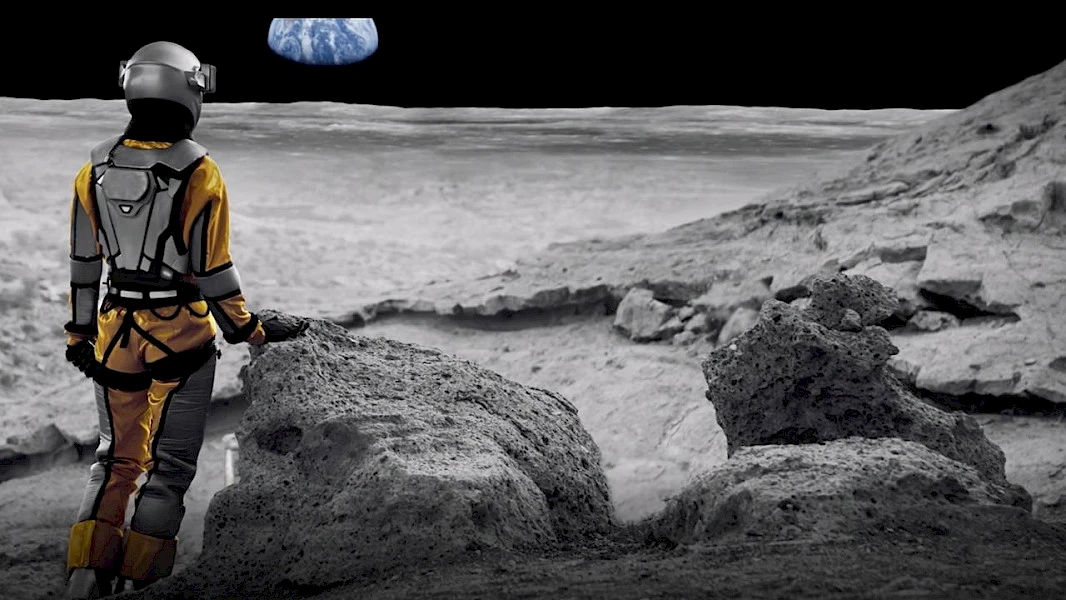
In July 1969, the words of Neil Armstrong — “one small step for man, one giant leap for mankind” — echoed around the world.
NASA’s Apollo program not only enabled humans to set foot on the Moon for the first time, but also inspired an entire generation to pursue science and space exploration.
Now NASA is launching a new lunar era — the Artemis program, designed to rekindle humanity’s interest in space and pave the way to Mars.
For the first time in history, the program plans:
- the construction of a lunar orbital station,
- long-term scientific research,
- preparation for future crewed missions to Mars,
- the landing of the first woman and the first person of color on the Moon.
Planetary scientist Professor Sara Russell notes that Artemis could generate public excitement comparable to that once sparked by the Apollo missions.
The Artemis mission plan:
- Artemis I (2022) — uncrewed test of the SLS rocket and Orion spacecraft (successfully completed).
- Artemis II (February 2026) — the first crewed flyby of the Moon without landing.
- Artemis III (2027) — the first human landing at the Moon’s South Pole. Astronauts will be delivered by the SpaceX Starship system.
- Artemis IV — the beginning of construction of the Gateway orbital station.
The flight includes 11 stages — from launch at the Kennedy Space Center in Florida to the splashdown of the Orion capsule in the Pacific Ocean. The journey to the Moon will take about four days.
Key technologies:
- SLS — the most powerful rocket in the world, surpassing Saturn V.
- Orion — a deep-space spacecraft with an autonomous life-support system for up to 21 days.
- Gateway — a mini-station in lunar orbit that will serve as a transfer hub for future missions.
Why the South Pole was chosen:
- Permanently shadowed craters are believed to contain ice.
- Water can be used for drinking, producing oxygen, and rocket fuel.
- Elevated areas are almost constantly illuminated by the Sun — ideal for power generation.
- The region contains the Aitken Basin — one of the oldest craters in the Solar System.
The Moon’s low gravity makes it an ideal launch platform for deep-space missions.
Scientists believe Artemis is not only a technological breakthrough, but also a powerful source of inspiration for future generations of explorers.
Author

I am originally from St. Petersburg — a city with a unique character and rhythm. My professional life began rapidly: at just 16, I plunged into the world of global events. The World Cup, the roar of Formula 1 cars in Sochi, the energy of VK Fest, and the backstage of Fashion Week — I always…
You may also be interested in:
- Protection of Marine Ecosystems Discussed in Northern Cyprus
- Ramadan Bayram Continues in Northern Cyprus: Services Operating in Enhanced Mode
- Man causes scene in Gönyeli over washing machine noise
- Storm expected in coastal waters of Northern Cyprus
- Six people detained in Lefkoşa over forged lease agreements
