
Weather in Northern Cyprus in september
September in Northern Cyprus is not as hot as August, but initially not much different in terms of temperature.
The sun still shines just as strongly, but daylight gradually becomes shorter. The daytime temperature is the same as in August, but at night it is already cooler. The water temperature remains the same, which makes September still a high season in Northern Cyprus.
Therefore, the use of sunscreen and adherence to sun safety rules remains a priority. And if you plan to arrive closer to the end of September, you can already bring a sweatshirt for evening walks.
QUESTIONS ABOUT THE WEATHER IN CYPRUS IN SEPTEMBER
What is the air temperature at the resorts of Northern Cyprus in September?
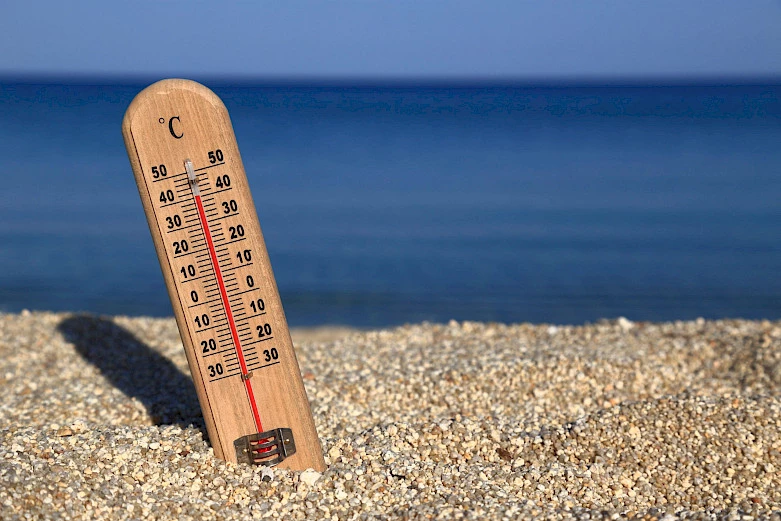
On average, according to Openweather data, the temperature is around 28-30 degrees, and it drops to 20 degrees at night. In Famagusta in September 2022, the daytime temperature for almost the entire month was around 30 degrees. At the same time on the northern coast, in Kyrenia, for more than half of the month the daytime temperature rose to 35 degrees, and at night in the first half of September did not drop below 22 degrees.
What is the water temperature in September in Northern Cyprus?
The water temperature in September is the most comfortable of the year, from 26 to 28 degrees depending on the region. Thus, for Famagusta, the average water temperature during the month is 27 degrees, while for Kyrenia this figure is 28 degrees.
Is there rainfall in Cyprus in September?
The probability of precipitation compared to August increases, there can be a maximum of one or two rainy days per month, and not every year - most often the whole of September is dry. The average wind speed is 4 m/s, but note that the wind speed in Kyrenia is slightly lower than in Famagusta.
Author
Born and raised in Yekaterinburg, visited more than 40 countries, lived in the USA for some time, and in 2022, moved to Cyprus. Education: Ural State University (now Ural Federal University), Faculty of Political Science and Sociology. Professional Experience: Since 2008, worked in the fields of…
