Fishing Rules in Cyprus
You can't just cast a line and catch everything that bites — there are specific fishing rules in Cyprus, especially in freshwater.
- Sea Fishing Rules in Cyprus
- Freshwater Fishing Rules in Cyprus
- Frequently Asked Questions about Fishing in Cyprus
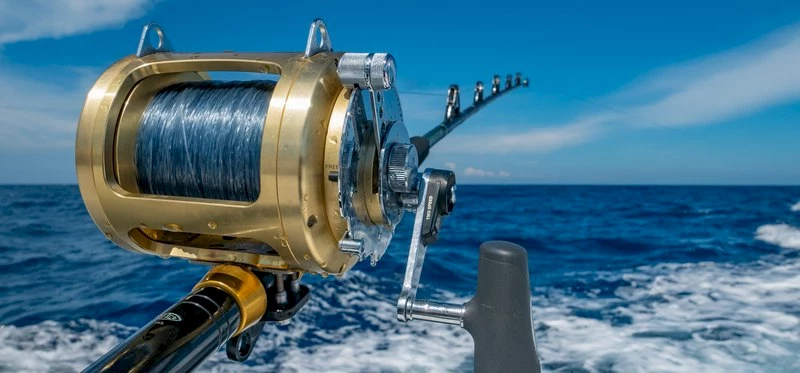
Sea Fishing Rules in Cyprus
Sea fishing is not as strictly regulated as freshwater fishing, but there are still nuances that need attention.
- No license is required for fishing from the shore or boat using a fishing rod or spinning gear.
- A license is required for spearfishing, commercial fishing, or using nets and traps.
- Spearfishing is prohibited in swimming zones marked by buoys.
- Spearfishing is allowed without the use of scuba gear.
- If there are more than 6 people on board a vessel, the captain must be accompanied by an assistant.
- The sale of caught fish is prohibited.
Freshwater Fishing Rules in Cyprus
Rules are stricter here, and the main one is that any type of freshwater fishing in Cyprus requires obtaining a license.
- You cannot start fishing earlier than an hour before sunrise or finish later than an hour after sunset. Additionally, bringing gear is allowed no earlier than an hour and a half before sunrise, and removing it is allowed no later than an hour and a half after sunset.
- Fishing is only allowed from the shore; the use of boats is strictly prohibited. The use of nets, lighting devices, or other technical means, including chemicals or remote devices, is also forbidden.
- One person is allowed one rod, one line, and one hook. A treble hook is considered one, and in the case of spinning, factory lures with more than one hook are permitted.
Fish Catching Limits:
- It is prohibited to release pike back into the reservoir after catching it.
- Caught carp and bass in March and April must be released back into the water.
- No more than one sturgeon, two carps/basses/pikes, or five trouts may be caught per day.
- The total number of fish species listed in point 3 must not exceed 10 per day.
- Fishing for juvenile fish is prohibited — trout under 20 cm, bass under 30 cm, pike under 30 cm, carp under 30 cm, and sturgeon under 70 cm (measured from the tip of the head to the tip of the tail) must be released.
Frequently Asked Questions about Fishing in Cyprus
How to Obtain a Fishing License?
The license is issued by the Department of Fisheries and Marine Research. You will need to provide your name, surname, date of birth, phone number, passport number, address in Cyprus, and upload a scan or photo of your document. We have separately posted instructions on how to obtain a fishing license in Cyprus.
What Happens if You Fish Without a License?
If you engage in a type of fishing that requires a license, the minimum fine for not having one is 500 euros. Inspectors frequently check documents and require the original certificate, so we advise against breaking the rules.
Which Fish Can You Get Paid for Catching?
Pufferfish are considered dangerous to local marine fauna, so the Cypriot authorities encourage their capture. Compensation is €4.73 per kilogram of fish caught, but only for fishermen holding a professional fishing vessel license.
Follow us on Instagram and Telegram to learn more about life in Cyprus!
Author

Born and raised in Yekaterinburg, visited more than 40 countries, lived in the USA for some time, and in 2022, moved to Cyprus. Education: Ural State University (now Ural Federal University), Faculty of Political Science and Sociology. Professional Experience: Since 2008, worked in the fields of…