
Environmental disaster: flamingo numbers at Akrotiri Salt Lake drop from 13,000 to 47
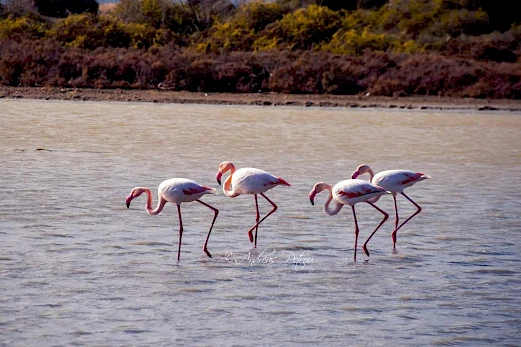
One of Cyprus’ most important wetlands — Akrotiri Salt Lake — is on the brink of ecological collapse. According to a parliamentary environment committee meeting, only 47 flamingos were recorded this month at the lake, compared to 13,000 in previous years.
The alarming data was presented by the Game and Fauna Service. Senior officer Nikos Kasinis stated that the sharp population decline is linked to deteriorating water quality and increasing development pressure in the region. A similar situation is observed at Lake Makria, which, along with Akrotiri, is part of the Ramsar protected sites and previously supported up to 2% of all recorded birds in Cyprus.
Environmental organizations BirdLife Cyprus and Terra Cypria stated that the ecosystem has effectively ceased functioning: the water is no longer suitable for bird survival. During dry periods, water unexpectedly appears in the lake, which experts believe indicates polluted inflows.
Mayor of Curium Pantelis Georgiou, coordinating the interaction of eight agencies of the Republic of Cyprus and the British bases, described the situation as “chaotic.” According to him, lawlessness prevails in the area, groundwater is at risk of irreversible pollution, and the communities of Asomatos and Akrotiri are still not connected to the sewer system.
Particular concern was raised over reports that up to 500 tons of untreated sewage per hour may be discharged into the sea at Lady’s Mile — areas used for swimming and fishing. Lake Makria was described as a “swamp and settling pond,” and contractors of major construction projects were accused of illegal water discharges.
MPs sharply criticized the delays in response measures. Committee chair Charalambos Theopemptou demanded the intervention of the Audit Office and an audit of Akrotiri Lake management.
The environment committee warned that without urgent action, half of Akrotiri Salt Lake could be lost in the coming years, causing irreversible consequences for public health and Cyprus’ biodiversity.
Author
I am originally from St. Petersburg — a city with a unique character and rhythm. My professional life began rapidly: at just 16, I plunged into the world of global events. The World Cup, the roar of Formula 1 cars in Sochi, the energy of VK Fest, and the backstage of Fashion Week — I always…
