
Cyprus economy in 2025: an island of stability amidst European imbalances
In 2025, the economy of the Republic of Cyprus demonstrated a combination rare for modern Europe: a budget surplus, a reduction in public debt, and a surge in investment activity. While many European Union countries continue to face deficits and increasing debt loads, Cyprus is gradually strengthening its position as one of the region's most resilient economies.
What are the reasons for economic stability in Cyprus?
The main factors of stability in the Republic of Cyprus were strict fiscal discipline, a record budget surplus of 1.24 billion euros, and the rapid development of the shipping sector. Fiscal discipline has turned into a real competitive advantage for the island on the international stage.
At the end of the year, the budget was executed with a surplus of 3.4% of GDP. This clearly distinguishes the country from most EU states where deficits remain the norm. Even more indicative is the dynamic of the public debt. It fell to 55% of GDP — significantly lower than the average for the EU (81.7%) and the eurozone (87.8%).
Cyprus was among the leaders in debt reduction: the indicator decreased by 7.7 percentage points over the year, effectively returning the country to the category of "fiscally sustainable" states.
Revenue growth with a changing economic structure
State budget revenues grew by almost 8% to reach 15.92 billion euros. The main contributions were provided by:
- Taxes on income and property;
- Social contributions;
- Revenue from services and transfers (growth of more than 20%).
An interesting detail was the slight decrease in VAT receipts. This could indicate either a slowdown in domestic demand or a gradual shift of the economy toward services, where the tax base is formed differently. This emphasizes the growing role of the service model of the Cyprus economy.
The state increases investments
On the expenditure side, there is moderate growth of just over 10%. However, the key trend was a sharp increase in capital expenditures — by 45%. In fact, this represents a shift in focus: from a policy of cost containment to active investment in infrastructure and the development of the economy on the island.
What is the role of the shipping sector in the GDP of the Republic of Cyprus?
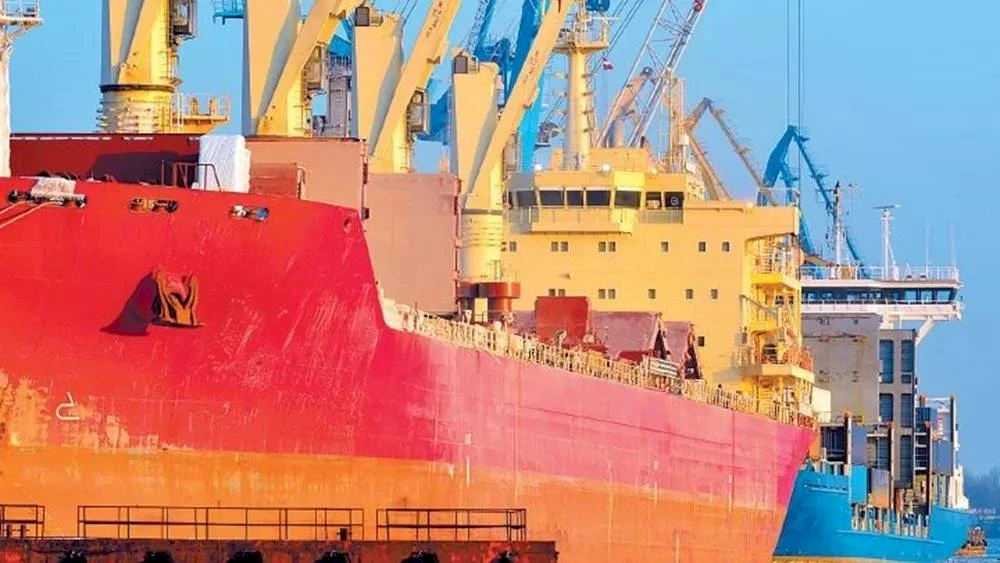
The ship management sector is a key growth driver, accounting for about 5.4% of the country's GDP in 2025 with revenues exceeding 1.9 billion euros. Cyprus continues to strengthen its position as a global center for ship management, providing foreign currency inflows, employment, and resilience to domestic economic fluctuations.
The European context: opportunities and risks
The country's successes are particularly noticeable against the background of the overall situation in the EU. In 2025, the average level of public debt in the Union rose, and the energy crisis continues to put pressure on the economies of member states. For Cyprus, this means a dual effect:
- Access to European funding and infrastructure modernization.
- The need to adapt to new conditions while remaining dependent on energy imports.
Between resilience and vulnerability
Despite impressive macroeconomic indicators, a number of structural limitations remain in Cyprus. Dependence on the service sector makes the system sensitive to external shocks. Furthermore, the growth of public spending, if it continues, could eventually put pressure on the budget balance.
Nonetheless, in 2025, the Republic of Cyprus looks like one of the few EU countries that managed not only to stabilize the situation but also to create a foundation for further development. The combination of surplus and investment growth forms the image of an "island of stability" in the European economy.
Quick conclusions:
- Budget surplus: amounted to 3.4% of GDP, which is one of the best indicators in the European Union.
- Debt reduction: public debt decreased to 55% of GDP, significantly ahead of eurozone averages.
- Investment leap: government capital investments grew by 45%.
- Shipping: the industry remains a foundation of stability, bringing in over 1.9 billion euros in revenue.
Author

Born in the city of shipbuilders, Mykolaiv (Ukraine). Currently living in Moscow. Diplomat in reserve. More than 10 years of experience in the Mediterranean region (Greece, Cyprus). Until 2015, First Secretary of the Russian Embassy in Cyprus. Fluent in Greek and English. Completed civil service in…
You may also be interested in:
- Child abduction in Limassol reveals serious gaps in Cyprus's security system
- Prices in Cyprus stores continue to rise, while diesel in Paphos remains the most expensive
- Construction materials continue to become more expensive in Cyprus
- Tourism in Cyprus: April decline slows down, but figures remain negative
- Halloumi producers demand reversal of goat and sheep milk ratio reduction
