
ECB at a crossroads: what to expect for borrowers and businesses in Cyprus?
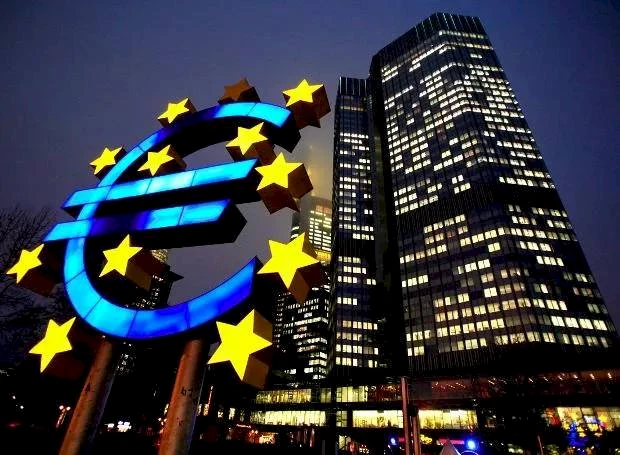
Eurozone interest rate markets today resemble an elevator without a clear route: upward movements are expected, but with constant stops and revisions of plans. After the recent geopolitical "truce," the scenario of an immediate rate hike by the European Central Bank (ECB) in April has effectively left the agenda. At the meeting on April 30, according to market expectations, the regulator is likely to take a pause, which will directly affect the financial situation in the Republic of Cyprus.
How will ECB interest rates in Cyprus change in the near future?
The consensus forecast has shifted to June 2026, when the probability of a moderate rate hike of 0.25% will exceed 60%. If until recently markets were pricing in changes as early as spring, now April, according to tools like the ECB Watch Tool, has only about a 30% chance of policy tightening.
The reason is the changed backdrop. Geopolitical de-escalation reduced pressure on inflation expectations and allowed the ECB to buy time. Moreover, as ING analysts note, the regulator is now managing expectations rather than reacting to an urgent need for tightening.
July as a fork in the road
While June looks relatively predictable, July is becoming a key point of uncertainty. This is where the line between "one hike" and a full-fledged tightening cycle is drawn. Markets are literally divided:
- About 40–50% expect a second hike;
- Almost as many expect a pause.
The logic is simple: if a second hike does not occur in the summer, the likelihood of further tightening decreases sharply. Autumn, judging by current rates, is no longer seen as a window for active steps.
"The ECB finds itself in a difficult position between inflation and economic growth, which requires surgical precision in decision-making."
Divergence of forecasts: caution versus hawkishness
Analytical houses demonstrate different moods:
- ING — a cautious approach, emphasis on expectations and data;
- Goldman Sachs — a shift in the forecast from April to June;
- Nordea — the most "hawkish" position, four hikes at once regardless of geopolitics.
Meanwhile, market platforms, including Polymarket, lean towards a softer scenario — one hike and high uncertainty thereafter.
What this means for the Cyprus economy
For Cyprus, as a small open economy in the eurozone, ECB policy has direct and rapid consequences. Let's consider the main impact factors on the island.
Pros:
- Support for the banking sector: Gradual rate hikes improve bank margins. For Cypriot financial institutions, this is a chance to strengthen profitability.
- Inflation control: A signal of the ECB's readiness to fight price increases is critical for a country with a high dependence on imports.
- Capital inflow: Higher rates may increase the attractiveness of deposits and financial instruments in Cyprus.
Cons:
- Pressure on borrowers: Rising rates will increase the cost of loans, which is particularly painful for households with floating mortgages.
- Risks for the real estate market: Expensive loans could cool demand — one of the key drivers of the Cypriot economy.
- Growth slowdown: A "hawkish" scenario could slow down activity in the service and tourism sectors.
Conclusion: a cautious balance
A period of increased uncertainty is beginning for Cyprus: on the one hand, opportunities for the financial sector appear, on the other — risks for consumers are growing. And the question now is not whether the ECB will raise the rate, but whether it will dare to take the second step. It is this choice that will determine the economic trajectory on the entire island of Cyprus this year.
Quick conclusions:
- June — the most likely month for the first 0.25% rate hike.
- July will be the decisive moment for determining the duration of the tightening cycle.
- Risks for Cyprus are concentrated in mortgage lending and the real estate market.
- The banking sector could receive a long-awaited boost to profit growth.
Author

Born in the city of shipbuilders, Mykolaiv (Ukraine). Currently living in Moscow. Diplomat in reserve. More than 10 years of experience in the Mediterranean region (Greece, Cyprus). Until 2015, First Secretary of the Russian Embassy in Cyprus. Fluent in Greek and English. Completed civil service in…
