
Cyprus between resilience and challenges: A course toward discipline instead of populism
Cyprus between resilience and challenges: A course toward discipline instead of populism
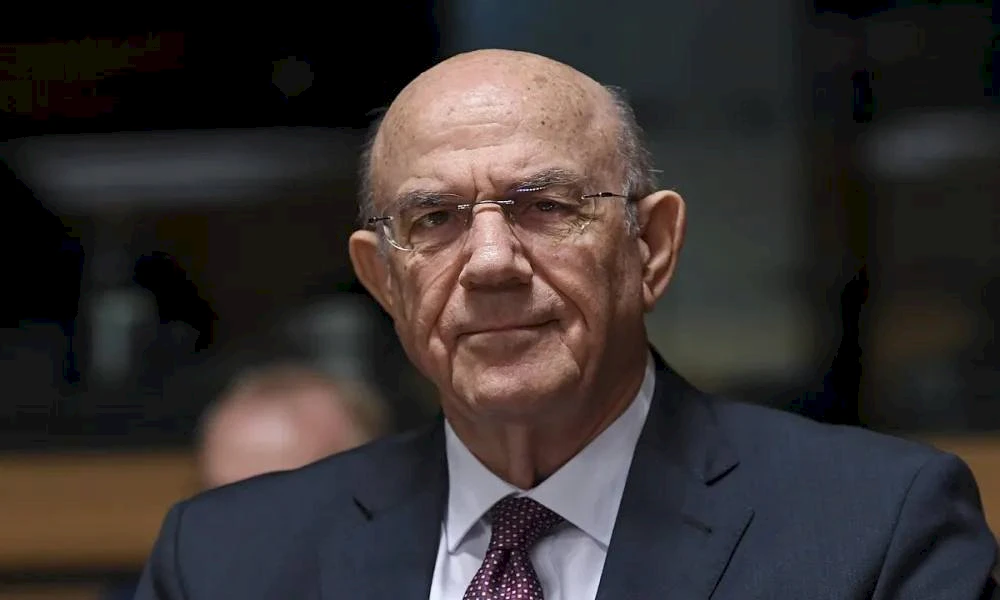
Cyprus Finance Minister Makis Keravnos made it clear in a recent interview: the country's economy is entering a period of heightened uncertainty, where the main guideline should be strict fiscal discipline rather than the generosity of election promises. His position is not just a reaction to current challenges, but an attempt to set a long-term course for the country's development.
The economy is holding up — but it's too early to relax
Despite global crises, Cyprus, according to the minister, is demonstrating resilience. International assessments remain positive, and the state is capable of responding quickly to external shocks.
But behind this cautious optimism lies an important warning: current stability does not guarantee future security. The main risk today is a possible escalation of the conflict in the Middle East, particularly involving Iran. If the crisis is prolonged, Cyprus could face rising energy prices, pressure on tourism, and even the threat of stagflation — a combination of economic stagnation and inflation.
Why the authorities are in no hurry to help more
Many island residents are wondering: will the already announced support measures be enough? The minister's answer is cautious.
For now — yes.
The government is in no hurry to introduce new subsidies or compensations, preferring to first evaluate the effect of the decisions already made. This approach may seem restrained, but it reflects a desire to avoid overloading the budget.
The position regarding a possible cap on fuel prices was particularly telling. Keravnos says directly: such measures often do more harm than good. In the long term, they could lead to the closure of gas stations or even sharper price increases.
Tourism: Alarming signals, but no panic
The tourism industry — one of the pillars of the Cypriot economy — is holding up for now. Although there has been a decrease in bookings, the minister does not consider the situation critical. It is important, according to him, not to compare current figures with last year's record. A more realistic assessment avoids unnecessary anxiety.
At the same time, the authorities are preparing a plan for the development of domestic tourism — a kind of "safety net" if the external flow of tourists decreases.
Energy — Europe's weak point
The minister paid special attention to energy. The Interconnector (GSI) project, which could strengthen Cyprus's energy security, requires revision due to technical and financial difficulties. But the problem is broader: high energy costs remain one of the main reasons for the decline in the competitiveness of the entire European economy. And Cyprus is no exception.
Crisis as an opportunity: Lessons for agriculture
Unexpectedly, the minister views even the crisis related to foot-and-mouth disease as an opportunity. In his opinion, problems in livestock farming have been accumulating for a long time, and the current situation is a reason for reform.
Economic damage is limited:
- compensations amount to 28 million euros;
- EU assistance is expected.
But the main result may not be financial, but structural — the modernization of the industry.
Pensions under protection: Changes are coming
Another important area is the reform of the Social Insurance Fund. Today it is managed by the Minister of Finance, but this model, as Keravnos himself admits, is outdated. It is proposed to create an independent body that will manage funds with the sole purpose of ensuring pension security and stable investment returns.
A signal to politicians: Fewer promises, more responsibility
In the run-up to the elections, the minister gives a clear warning: populism has led the country into economic difficulties more than once. Generous promises may be attractive, but they undermine the resilience of the economy and, ultimately, the stability of the entire country.
Debts and foreclosures: Situation under control?
The issue of home foreclosures remains sensitive. However, the minister claims that the problem is not of a mass nature. The state, according to him, actively intervenes in the processes and interacts with companies working with debt.
An interesting but sad fact: out of 1600 court cases, only 7 were decided in favor of the borrowers. This calls into question the effectiveness of the judicial path as the primary method of protection.
Course toward realism
Overall, Makis Keravnos's position appears as an attempt to maintain a balance between supporting the economy and preserving fiscal sustainability. His main message is simple: Cyprus can handle external challenges — but only if it avoids the temptation of quick and popular solutions.
For island residents, this means one thing: the near future will likely pass under the sign of cautious policy, where stability is more important than loud promises.
Author
Born in the city of shipbuilders, Mykolaiv (Ukraine). Currently living in Moscow. Diplomat in reserve. More than 10 years of experience in the Mediterranean region (Greece, Cyprus). Until 2015, First Secretary of the Russian Embassy in Cyprus. Fluent in Greek and English. Completed civil service in…
You may also be interested in:
- Industrial production in Cyprus rose by 4.7% in March 2026
- The share of young people who are neither working nor studying has declined in Cyprus: Eurostat records positive momentum
- Risks for the EU and Cyprus from a prolonged closure of the Strait of Hormuz: a possible scenario of a global energy shock
- Cyprus police carried out night raids: eight detained and nearly 200 fines
- Cyprus expects to launch direct air links with India
