
Dust in Cyprus: a hidden health threat and doctors' recommendations
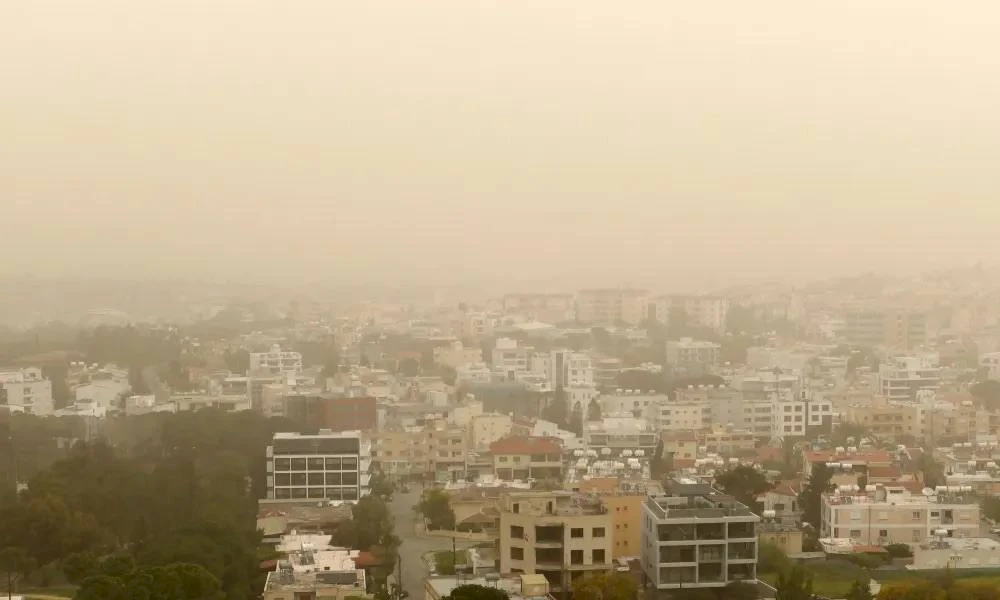
Dust, increasingly observed in the Republic of Cyprus, has become a serious public health problem. This was stated by pulmonologist and head of the country's Pulmonology Society, Haris Armetis, emphasizing the urgent need for legislative measures to protect the population.
According to him, the dust contains dangerous microparticles PM10 and especially PM2.5, which are capable of penetrating deep into the lungs and even into the bloodstream. They cause inflammation, oxidative stress, and exacerbate chronic diseases, including asthma and cardiovascular pathologies. Furthermore, such particles are officially considered carcinogenic.
Why is high dust concentration in Cyprus dangerous for residents?
High dust concentration on the island is directly linked to an increase in hospitalizations, as PM2.5 particles increase the risk of developing cancer and cause exacerbations of chronic ailments. The situation is worsening due to climate change and the geographical position of the region, leading to an increase in the number of dusty days per year.
People with chronic diseases are particularly vulnerable, but healthy individuals may also experience negative effects:
- Severe irritation of the eye mucous membrane;
- Risk of respiratory infections;
- General malaise and difficulty breathing.
During extreme dust concentrations, the danger extends to the entire population, and in such cases, medics strongly recommend avoiding any time outdoors.
Experts advise limiting outdoor activities and using only high-filtration protective masks (respirators), as ordinary surgical masks do not provide the necessary protection. The Cyprus Pulmonology Society insists on the introduction of clear rules and restrictions on days with dangerous pollution levels, similar to protocols for extreme heat.
Author
Born in the city of shipbuilders, Mykolaiv (Ukraine). Currently living in Moscow. Diplomat in reserve. More than 10 years of experience in the Mediterranean region (Greece, Cyprus). Until 2015, First Secretary of the Russian Embassy in Cyprus. Fluent in Greek and English. Completed civil service in…
