
Energy tension and stagflation risk: EU prepares for new economic blow
The escalation of the situation in the Middle East and rising tensions in the Strait of Hormuz are increasing fears of a new economic crisis in Europe. Against the backdrop of prolonged negotiations between the US and Iran, as well as Donald Trump's statements about continuing Operation "Freedom in the Straits", the energy factor is once again coming to the fore.
Additional pressure on the market is created by reports of Iranian attacks on the United Arab Emirates, which increases instability in the key oil-supplying region. Experts warn: even with possible de-escalation, the consequences of the crisis will be felt for a long time.
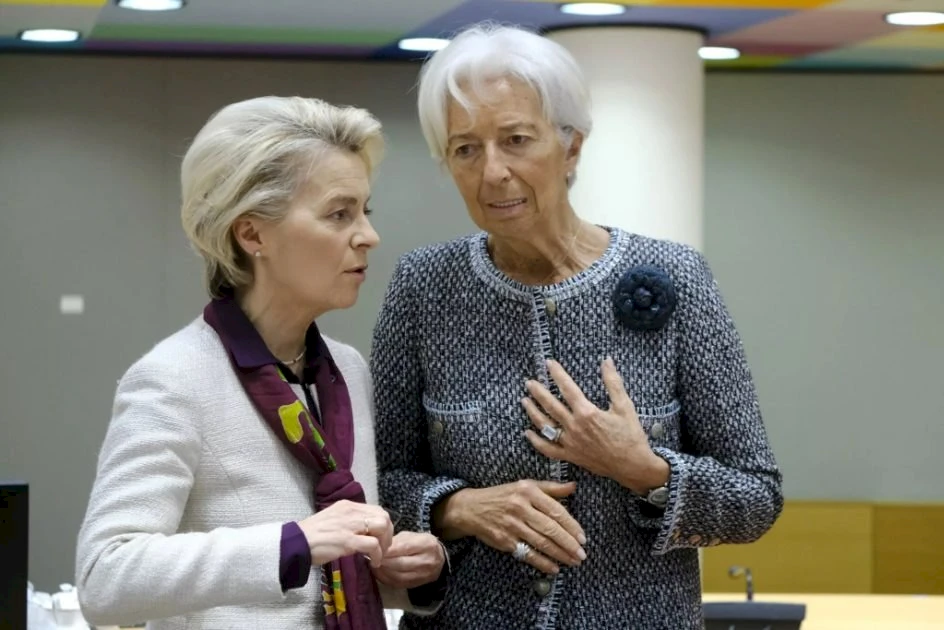
ECB President Christine Lagarde stated that the current situation cannot be unequivocally called stagflation, despite high inflation and weak economic growth. According to her, the third key factor — high unemployment — is still missing. However, many analysts doubt that this balance will be maintained.
At the same time, EU Commissioner for Economy Valdis Dombrovskis explicitly spoke of a "stagflationary shock", emphasizing that rising energy prices are already slowing down the economy and increasing inflation. He also warned that the EU has limited opportunities for large-scale financial support due to high debt levels and the need to increase defense spending.
Previously, significant funds were allocated through the Recovery Fund, but the EU leadership is making it clear that a repetition of such programs should not be expected. This means that if the crisis deepens, countries will have to look for internal resources and revise budget priorities.
Author
Born in the city of shipbuilders, Mykolaiv (Ukraine). Currently living in Moscow. Diplomat in reserve. More than 10 years of experience in the Mediterranean region (Greece, Cyprus). Until 2015, First Secretary of the Russian Embassy in Cyprus. Fluent in Greek and English. Completed civil service in…
