
EU agrees on new restrictions on the use of AI to create illegal content
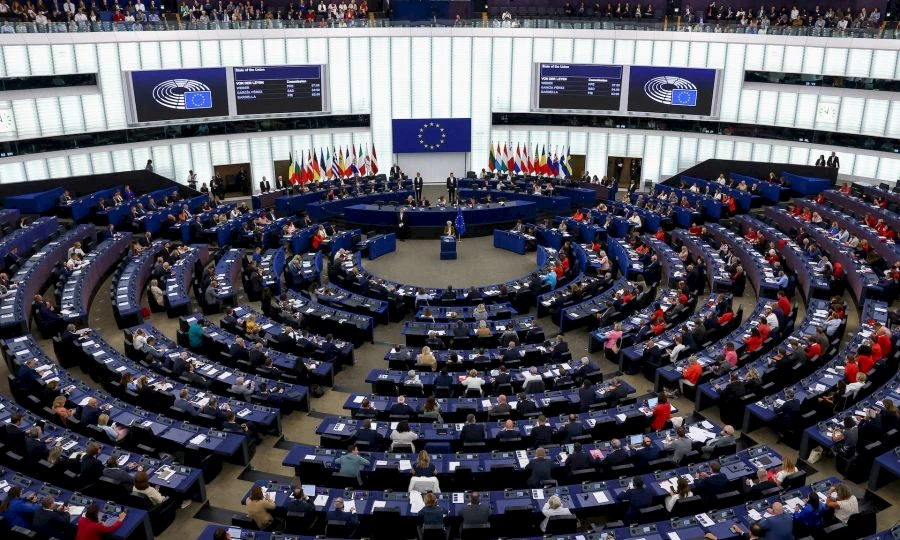
The Cypriot Presidency of the Council of the EU and the European Parliament have reached a preliminary agreement on a new set of rules regarding the use of artificial intelligence. One of the key provisions of the document is a ban on using AI to create sexualized content without a person's consent, as well as materials related to child sexual abuse.
The proposal is part of the "Omnibus 7" legislative package, which is part of the European Union's broader program for regulatory simplification and digital modernization. In Brussels, it is believed that the new measures will simultaneously reduce the administrative burden on businesses and strengthen the protection of citizens in the digital sphere.
Cyprus's Deputy Minister for European Affairs Marilena Raouna called the reached agreement an important step for the entire EU. According to her, the new rules will provide greater legal certainty, uniform application of legislation across the union, and strengthen Europe's digital sovereignty. She also emphasized that special attention is paid to protecting children from the risks associated with artificial intelligence technologies.
EU authorities note that the agreement is the first practical result of the "One Europe, One Market" roadmap, signed in Nicosia during an informal summit of European leaders. The document was agreed upon by the President of Cyprus Nikos Christodoulides, the President of the European Commission, and the President of the European Parliament.
Author

Born in the city of shipbuilders, Mykolaiv (Ukraine). Currently living in Moscow. Diplomat in reserve. More than 10 years of experience in the Mediterranean region (Greece, Cyprus). Until 2015, First Secretary of the Russian Embassy in Cyprus. Fluent in Greek and English. Completed civil service in…
You may also be interested in:
- Ryanair reduces flights in Greece: minus 700,000 seats and closure of Thessaloniki base
- Cyprus launches initiative to attract talent back from abroad
- Cyprus among EU leaders for most expensive electricity for businesses
- Cyprus strengthens its position as an EU tech hub at an investment forum in the USA
