
Europe between crises and strategy: first results of the EU summit in Cyprus
Nicosia as a center of new diplomacy
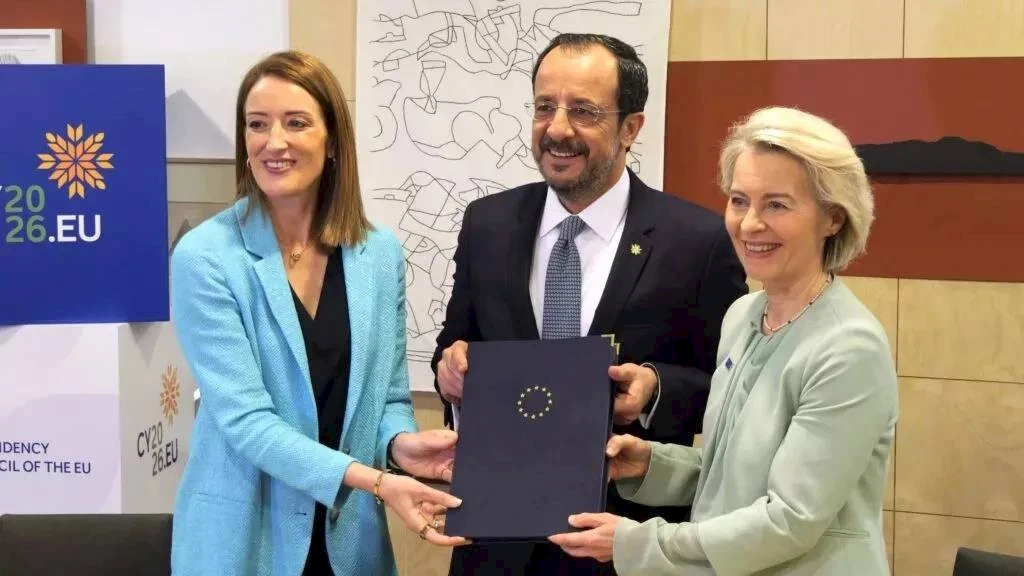
The informal EU summit taking place in the Republic of Cyprus confirmed on its second day: the European Union seeks to move beyond internal coordination and take a more active role in geopolitics. The meeting in Nicosia, organized with the participation of Cypriot President Nikos Christodoulides and European Council President António Costa, became a platform not only for discussions but also for the first concrete decisions.
The main feature of the summit is the expanded format. Leaders from the Middle East and the Persian Gulf have been invited to the negotiating table, highlighting the EU's attempt to build a systemic dialogue with its southern neighbors.
How are Middle East security issues being addressed in Cyprus?
Security in the Middle East is being discussed on the island through the creation of a unique diplomatic platform involving the leaders of Egypt, Jordan, Lebanon, and Syria. According to European diplomats, this is not just an exchange of views, but an attempt to synchronize political signals. Special attention is paid to:
- de-escalation around Iran;
- maritime security in the Strait of Hormuz;
- risks of expanding conflicts;
- management of potential migration flows.
EU foreign policy chief Josep Borrell emphasized that negotiations with Iran must go beyond the nuclear issue, otherwise Europe risks facing a "more dangerous situation".
Energy and the Strait of Hormuz: the pressure factor
The energy crisis has been a recurring theme in all discussions. The blockade of the Strait of Hormuz, through which a significant portion of the world's oil and gas supplies pass, is already affecting markets and increasing anxiety in Europe. Leaders are discussing two levels of response: short-term measures to contain prices and a long-term strategy to create a full-fledged energy union.
EU budget: the first lines of fracture
Within the EU, the central theme remains the new Multiannual Financial Framework for 2028–2034. The Nicosia summit marked the second round of discussions at the leadership level. German Chancellor Friedrich Merz signaled a tough stance:
Berlin opposes increasing overall debt and issuing pan-European bonds.
This reflects a broader split: some countries demand new resources for ambitious policies, while others insist on redistributing existing funds. The goal of the Cypriot presidency is to prepare a document with concrete figures and possible compromises by June.
Defense breakthrough: Article 42.7
One of the main practical results was progress on Article 42.7 of the EU Treaty — the mutual defense mechanism. On Cyprus's initiative, leaders agreed to begin developing a concrete action plan in case this article is activated. This represents a transition from political declarations to operational mechanisms. Greek Prime Minister Kyriakos Mitsotakis called this a step toward real European defense solidarity.
Migration: attempting to avoid the 2015 scenario
Against the backdrop of instability in the region, countries on the EU's southern flank — Cyprus, Greece, Italy, and Malta — are strengthening coordination. The main task is to prevent a repeat of the 2015 crisis. Preventive measures at external borders, cooperation with transit countries, and support for countries of origin are being discussed.
“One Europe — One Market”: the economic response
Another notable outcome of the summit was the signing of the “One Europe, One Market” roadmap. The document solidifies a course toward removing barriers within the EU, lowering energy prices, developing the digital economy and AI, and strengthening economic security. According to Roberta Metsola, this is about "relaunching the competitiveness" of the Union.
Ukraine: support remains
Amid other crises, the EU is not reducing its attention to Ukraine. A decision on a 90 billion euro loan was previously made and a new sanctions package was approved. As Charles Michel noted, the next step should be accession negotiations and the opening of specific negotiating chapters.
First conclusions: the EU seeks a new role
The summit on the island of Cyprus has not yet brought final decisions, but it has already outlined key trends: the EU seeks to become an independent geopolitical player, the link between security and economy is strengthening, and the role of the southern direction is growing. Nicosia has effectively become the intersection point of the European and Middle Eastern agendas.
Summary findings:
- Geopolitics: Nicosia has established itself as a bridge between the EU and the Middle East.
- Defense: Work has begun on an operational plan for Article 42.7 on mutual protection.
- Economy: A roadmap was signed to create a single market and reduce energy dependency.
- Finance: Disagreements persist over the EU budget for 2028–2034.
Author
Born in the city of shipbuilders, Mykolaiv (Ukraine). Currently living in Moscow. Diplomat in reserve. More than 10 years of experience in the Mediterranean region (Greece, Cyprus). Until 2015, First Secretary of the Russian Embassy in Cyprus. Fluent in Greek and English. Completed civil service in…
You may also be interested in:
- Mass vandalism at Limassol Towers: more than 20 cars damaged
- MV Hondius: new case and ongoing monitoring of passengers
- Pathology department temporarily closed at Paphos Hospital due to refrigerator breakdown
- The ECB Warned Europe of Prolonged Inflation Amid the Middle East Crisis
- Cyprus investment sector continues to grow: assets exceed €8.1 billion
