
Cyprus raises alarm over shortage of donor blood
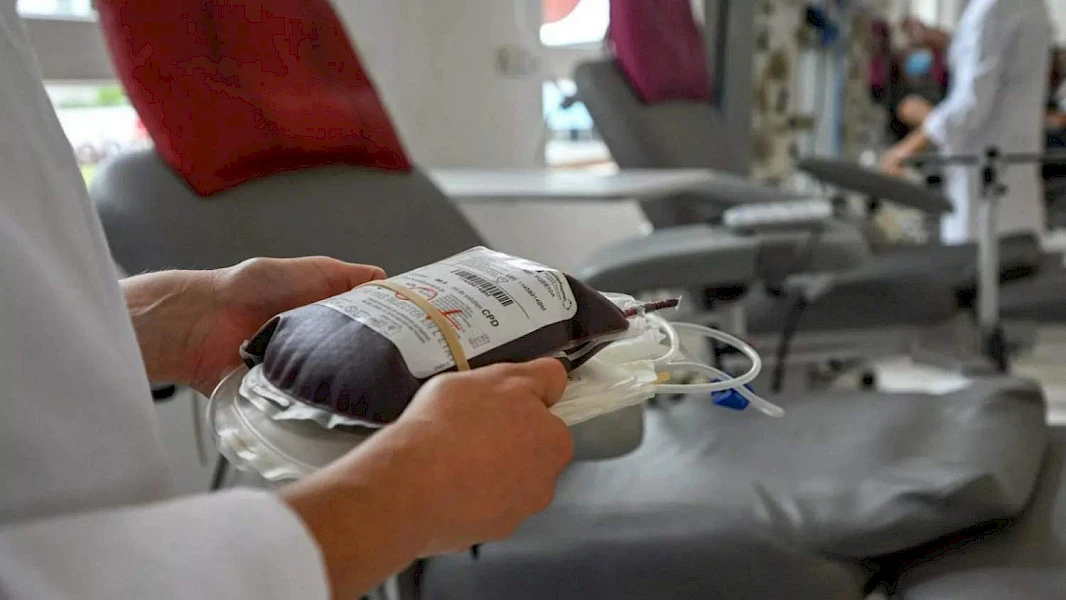 Doctors, patients, and hospital representatives are warning of a critical situation regarding blood supplies in Cyprus and are calling for urgent changes to the approach to donation — from planning mobile campaigns to ways of engaging young donors.
The President of the Cyprus Association of Private Hospitals, Marios Karaiskakis, stated that scheduled operations are being carried out with great difficulty, and the risk of a serious crisis is becoming increasingly evident. According to him, in recent weeks hospitals have faced a shortage of blood for complex specialized operations, despite efforts by the clinics themselves, the Blood Center, and the Ministry of Health.
The President of the Cyprus Thalassaemia Association, Miltos Miltiadus, also expressed concern. He reported delays in transfusions and insufficient blood volumes received by thalassemia patients. In some cases, instead of the two units of blood needed, patients receive only one and are forced to return the next day.
The Ministry of Health of Cyprus acknowledges the problem. Deputy Director-General Elizaveta Konstantinou noted that demand is constantly growing — there are more operations, and patients are less frequently traveling abroad for treatment. At the same time, the country's population remains small, which adds additional pressure on the system.
According to official data, in 2015 Cyprus required about 65,000 units of blood per year, now — over 80,000. The increase is not related to the number of thalassemia patients, but to the expansion of surgical care and the growing number of beneficiaries of the GESY system, including foreign citizens who often are not part of the donor pool.
Miltiadus emphasized that the current donation model is outdated:
- campaigns are conducted unevenly throughout the year,
- the same donors receive dozens of SMS messages,
- youth are practically not reached.
He called for more active use of social media, collaboration with schools, universities, and the National Guard, as well as reviewing donor eligibility criteria considering modern screening methods.
"For thalassemia patients, blood is not a one-time necessity. It is their life," he emphasized.
Author
I am originally from St. Petersburg — a city with a unique character and rhythm. My professional life began rapidly: at just 16, I plunged into the world of global events. The World Cup, the roar of Formula 1 cars in Sochi, the energy of VK Fest, and the backstage of Fashion Week — I always…
You may also be interested in:
- Cyprus Hotels Report High Demand for Carnival Weekend and "Green Monday"
- Expansion of Ayios Dometios Checkpoint Completed: Third Lane Added
- Mother Accuses Private School of Refusing to Provide an Aide for Her Child
- Cypriot MPs Demand Stronger Protection for Homeowners Against Foreclosures
- International Tree Planting Event Held in Agios Therapontas Under You Reforest Cyprus
