
Rising drug co-payments in GHS spark wave of discontent
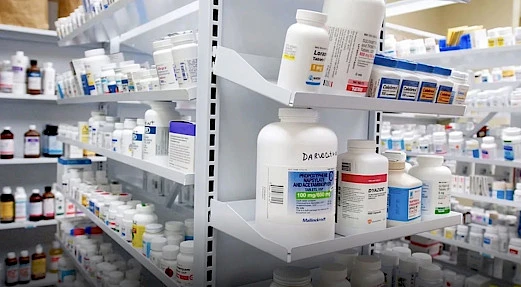 Recent changes to the co-payment system for medications under the General Healthcare System (GHS/GESY) have led to a noticeable increase in patient costs, particularly for pensioners. Patient organizations, doctors, and unions are reporting a serious financial burden, and the Health Insurance Organization (HIO/OAY) has already begun consultations with pharmaceutical companies to find solutions.
According to representatives of pensioner organizations, co-payments for modern anticoagulants have risen most significantly—in some cases reaching €20 or more per month, compared to a previous zero co-payment. In total, these changes could affect about 10,000 patients. Complaints also concern other medications necessary for the long-term treatment of chronic conditions.
The HIO explains that the increase is linked to the expiration of patents for original drugs and the subsequent price drop following the release of generics. These changes affected the calculation mechanism for co-payments within therapeutic categories, leading to increased patient participation in the cost of certain drugs. The organization is considering adjusting the calculation formula and partially absorbing the costs.
The Federation of Patient Organizations (OSAK) states that patients should not have to change their treatment for economic reasons. According to federation representatives, the choice of medication should be determined solely by medical indications, not by the size of the co-payment.
The issue remains a subject of active negotiations. The coming weeks are considered decisive in determining whether the financial burden on patients will be reduced or if costs will continue to rise.
Author

I am originally from St. Petersburg — a city with a unique character and rhythm. My professional life began rapidly: at just 16, I plunged into the world of global events. The World Cup, the roar of Formula 1 cars in Sochi, the energy of VK Fest, and the backstage of Fashion Week — I always…
You may also be interested in:
- British warship will not depart for Cyprus until at least next week
- Lawyer found guilty for advertising real estate purchases in Northern Cyprus
- Cypriot Parliament discusses increase in student grants
- NATO condemned Iran's "targeting of Turkey"
- Nicosia Municipality creates residents' registry for rapid communication
