
Minimum Wage in Northern Cyprus in 2026: Current Amounts, History, and Frequently Asked Questions
Quick answer. As of January 2026, the minimum wage in Northern Cyprus is 60,618 TL gross and 52,738 TL net. The hourly rate is 349.71 TL, the daily rate is 2,797.75 TL, and the weekly rate is 13,988.76 TL.
Here you will find up-to-date information on the minimum wage in Northern Cyprus, including the new amounts for 2026, trends over recent years, and how the minimum wage affects the lives of residents and foreign nationals.
The minimum wage in Northern Cyprus is regularly reviewed by the Minimum Wage Determination Commission, which includes representatives from the government, employers, and trade unions. The commission's decisions directly impact workers' income levels, labor costs for businesses, residence permit procedures, and work permits for foreigners.
- Minimum Wage in Northern Cyprus in 2026
- Table of Minimum Wage Changes by Year
- What the Minimum Wage Influences
- Sectors Most Affected
- Living Scenarios and Expense Structure at Minimum Wage
- Cost of Living and Commission Decisions
- Frequently Asked Questions About the Minimum Wage
- If You Want to Obtain or Renew a Residence Permit in Northern Cyprus Without Unnecessary Errors and Problems
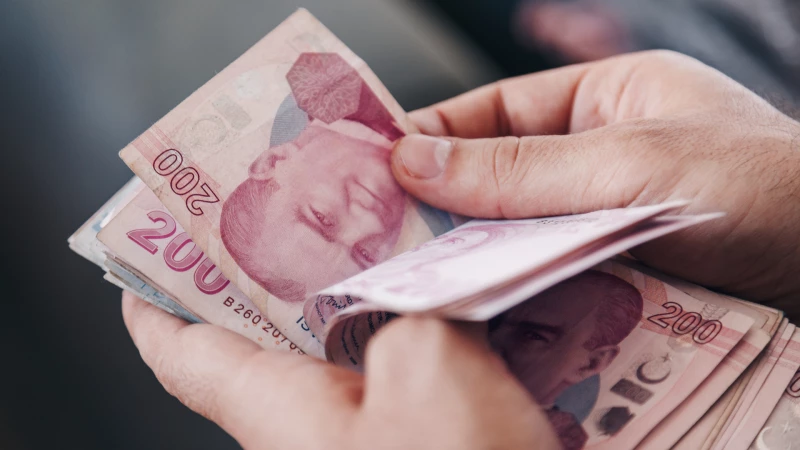
Minimum Wage in Northern Cyprus in 2026
On Friday, January 9, 2026, the Minimum Wage Determination Commission in Northern Cyprus approved new payment levels at its third meeting. As of January 1, 2026, the minimum wage is set at 60,618 TL gross (before taxes) and 52,738 TL net (take-home).
At the same time, new hourly and daily rates were approved:
- Monthly (gross): 60,618 TL
- Monthly (net, take-home): 52,738 TL
- Weekly: 13,988.76 TL
- Per working day (gross): 2,797.75 TL
- Per hour: 349.71 TL
The increase in the minimum wage compared to the previous level (51,202 TL gross as of July 1, 2025) amounted to 9,416 TL, which corresponds to approximately +18.39%.
The decision was made by a majority vote after discussions among government, employer, and trade union representatives. The latest minimum wage increase aims to partially offset the rising cost of living and maintain workers’ purchasing power.
How the Minimum Wage in Northern Cyprus Has Changed: Yearly Table
Below is a summary table of minimum wage changes in Northern Cyprus over recent years.
| Period | Gross (TL) | Net (TL) | Comment |
|---|---|---|---|
| January 1, 2026 | 60,618 | 52,738 | +18.39% vs 51,202 TL |
| July 1, 2025 | 51,202 | 44,546 | +17.79% vs 43,469 TL |
| January 30, 2025 | 43,469 | — | increase compared to September 2024 level |
| September 1, 2024 | 40,436 | — | third increase in 2024 |
| May 1, 2024 | 33,926 | 29,520 | second increase in 2024 |
| January 1, 2024 | 27,587 | 24,000 (34,430 for civil servants) | new base level at the start of 2024 |
| July 1, 2023 | 18,103 | 15,750 | increase compared to 13,563 TL |
| January 1, 2023 | 13,563 | 11,800 | initial level for further revisions |
Factors Affecting the Minimum Wage and Changes After Its Increase
The level of the minimum wage in Northern Cyprus directly impacts a significant part of the economy and daily life. Raising the “minimum wage” leads to changes in prices and conditions in the private sector, adjustments to social benefits, and contract revisions.
Many aspects of life in Northern Cyprus are linked to the minimum wage. For example:
- Employee contracts — hiring conditions and the amount of monthly payments in the private sector are directly tied to the minimum wage level.
- Social contributions and taxes — employers and employees pay contributions calculated based on the gross level of the minimum wage.
- Labor costs for businesses — raising the “minimum wage” increases the overall cost of hiring employees for companies, especially in low-margin sectors.
- Social benefits — some types of payments are calculated based on the minimum income level.
- Severance and compensation — severance payments and labor dispute settlements are often based on the current minimum wage level.
- Cost of services and products — especially in retail, HoReCa, logistics, and household sectors, where labor constitutes a large portion of production costs.
- Informal labor market — when personnel costs rise significantly, some employers may move employees to the informal sector.
- Cost of living index — the commission considers the inflation index when setting new minimum wage thresholds.
- Foreign workforce — the cost of hiring employees from abroad is also linked to the minimum wage level.
- Size of fines — many administrative fines and sanctions for employers are tied to the minimum wage.
The minimum wage also affects the costs of obtaining a Northern Cyprus residence permit. Many residency programs consider the household’s minimum income, and when applying for a work-based residence permit or renewing it, it is important that the income is not below the current minimum wage.
Who Decides on Raising the Minimum Wage
The minimum wage in Northern Cyprus is set by the Minimum Wage Determination Commission, which includes representatives of:
- the government,
- employers,
- trade unions.
The commission focuses on two key indicators:
- cost of living index,
- calculated subsistence level for a single adult.
In recent years, there has been increasing discussion about linking the minimum wage to the official inflation rate, as accelerating price growth has intensified debates between trade unions and employers regarding how often the minimum wage should be revised.
Sectors Most Sensitive to Changes
The response to an increase in the minimum wage depends on the structure of production costs, competition, and business margins.
The most sensitive sectors in Northern Cyprus are:
- Retail — most staff work in shifts and receive basic pay close to the minimum wage.
- HoReCa (cafes, restaurants, hotels) — high labor intensity and a large proportion of low-skilled workers.
- Construction — significant share of foreign workers and contracts linked to the minimum rate.
- Transport and logistics — many employees in operational roles.
- Cleaning and household services — high labor load with limited margins.
- Private clinics and medical services — presence of support staff earning salaries close to the minimum wage.
With successive minimum wage increases, businesses often pass some of the costs onto the prices of goods and services. This affects the overall cost of living and creates demand for new minimum wage revisions.
Life Scenarios: What the Minimum Wage Can Cover
The minimum wage is felt differently by households with varying expense structures. Below are typical scenarios based on the cost of living and average expenses in Northern Cyprus.
Scenario 1: Single Earner
- Renting a room or studio.
- Food and basic purchases.
- Transportation (public transport, dolmuş, or car expenses).
- Utilities and communication.
With an income at the minimum wage level for a single adult, expenses usually fit within the budget, but with little room for unexpected costs.
Scenario 2: Couple Without Children
Two incomes create a more stable financial situation: such households more often rent separate apartments, have more choice of neighborhoods, and are less likely to economize on transportation or groceries.
Scenario 3: Family with a Child
The main burden falls on rent and food, as well as additional expenses (clothing, medical care, daycare, or school). With a single minimum income, it is difficult for the household, whereas with two incomes the budget is noticeably more stable, but large expenses (education, insurance, car) still require planning.
Scenario 4: Foreign Worker
Foreign employees often receive housing and food partially or fully from the employer, which significantly changes the expense structure and makes the minimum wage more comfortable in practice. However, when renting independently and covering all expenses, the minimum wage can be a borderline income level.
Typical Expense Structure at Minimum Wage
For reference, below is a typical expense structure for a single worker in Northern Cyprus with an income close to the minimum wage:
- Housing rent — usually the largest budget item; highly dependent on the city and neighborhood.
- Food — regular monthly expenses depending on lifestyle and preferences.
- Transportation — expenses for dolmuş, taxi, or car maintenance.
- Utilities — electricity, water, sometimes gas; heavily influenced by the season and type of housing.
- Communication and Internet — fixed costs for mobile and home internet.
- Medical and unforeseen expenses — doctor visits, medications, minor repairs, household purchases.
These expense categories help to understand how the minimum wage level affects the cost of living and purchasing power, as well as the buffer a household has against price or currency fluctuations.
Cost of Living and Its Influence on Commission Decisions
One of the reasons the minimum wage is frequently reviewed in Northern Cyprus is the rise in the cost of living and changes in purchasing power. Prices for food, housing rent, services, and transportation increase, putting additional strain on household budgets.
When discussing new minimum wage levels, the commission considers:
- cost of living index,
- inflation data,
- price growth forecasts,
- cost of the basic food basket,
- data on housing rent and utilities.
Trade unions usually emphasize protecting workers' real income, while employers focus on labor costs and business impact. The government aims to balance both sides and reduce the burden on the most vulnerable population groups.
Frequently Asked Questions About Minimum Wage in Northern Cyprus
Is it possible to live on the minimum wage in Northern Cyprus?
It depends on the household composition and type of expenses. For a single worker, the minimum wage covers basic expenses, but rent, food, and transportation can take up a large part of the income. For a family with children, the minimum income is often insufficient without additional earnings.
How often is the minimum wage reviewed?
The Minimum Wage Determination Commission may meet several times a year. In recent years, the minimum wage in Northern Cyprus has been reviewed 2–3 times a year, taking into account the cost of living index and inflation.
Is the minimum wage paid in foreign currency?
Officially, the minimum wage in Northern Cyprus is set and paid in Turkish lira (TL). Tying it to a foreign currency is not legally established, but individual private contracts may indicate amounts in euros or dollars to protect against currency fluctuations.
Does the minimum wage differ between the private and public sectors?
Yes. Formally, the minimum wage applies to the private sector. In the public sector, rates can be higher and are calculated according to separate tables, so payments in the public sector sometimes differ significantly from the base minimum wage level.
Does the minimum wage affect work permits for foreigners?
Yes. When employing foreign workers, employers must specify in contracts an amount not less than the current minimum wage. This requirement is checked when issuing a work permit and renewing status.
Who decides on raising the minimum wage?
The decision is made by the Minimum Wage Determination Commission, which includes representatives of the government, employers, and trade unions. The final decision is made by vote and then published in official sources.
When might the next increase occur?
No exact dates are set in advance. Usually, discussions begin after new cost of living and inflation data are published. In recent years, commissions meet approximately every 4–6 months.
If You Want to Obtain or Renew a Residence Permit in Northern Cyprus Without Mistakes or Problems
Contact our partner — the law firm DeJure.

DeJure Consulting LTD
Our company provides a wide range of legal services across Northern Cyprus. With us, you can receive qualified assistance in real estate, legal, visa, or financial matters.
Phone
+905391190555
Book a call
Leave a request and receive expert assistance from our specialist.
Author

I am a person who is not afraid to change life when my heart tells me that something greater lies ahead. I am originally from Belarus. I have journeyed from pedagogical and economic education to the financial sector and many years of work in logistics — a world where everything moves, changes,…
You may also be interested in:
- Early Flowers in Northern Cyprus: Anemones and Other Winter-Spring Plants
- Do you need to notify the veterinary service if your pet has died in Northern Cyprus?
- Where to buy party supplies in Northern Cyprus
- Where to buy horse riding tack and equipment in Northern Cyprus
- Идеи подарков на День святого Валентина на Северном Кипре