
Europe speeds up energy pivot: What is behind the AccelerateEU initiative in Cyprus
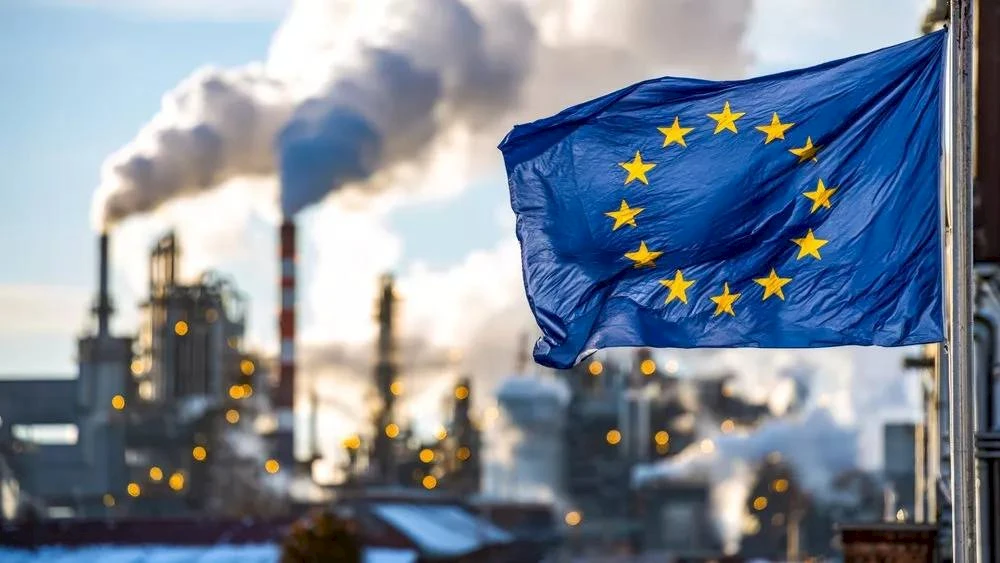
A new package of measures from the European Commission aims to simultaneously protect the economy from shocks and sharply accelerate the transition to clean energy. Amid global instability, energy security has become the number one priority in the Republic of Cyprus and other EU countries.
The price of dependence: 24 billion euros for instability
The European Commission presented the large-scale AccelerateEU initiative—a response to ongoing market turbulence. The urgent action was prompted by a new escalation of the crisis in the Middle East, which cost the European Union an additional 24 billion euros in energy imports. This episode showed that the current energy supply model makes the EU vulnerable to geopolitical shocks.
How will the AccelerateEU initiative help residents and businesses in Cyprus?
The plan provides for the implementation of targeted support measures, such as energy vouchers for vulnerable groups and a temporary easing of state aid rules for businesses. On the island, where electricity costs are traditionally high, these measures will help mitigate the impact of global price spikes on end consumers.
European Commission President Ursula von der Leyen emphasized that accelerating the transition to clean energy is not just climate policy, but a matter of security and independence. AccelerateEU combines two key lines: urgent support for households and structural reforms.
Fuel control and EU coordination
One of the central elements of the plan will be increased coordination between member states. This involves the following steps:
- Joint management of gas storage filling;
- Emergency release of oil stocks if necessary;
- Coordination of national measures for aviation and diesel fuel supply.
Additionally, the European Commission intends to create a Fuel Monitoring Center. The new structure will track the production, import, and stocks of motor fuel to identify potential shortages in advance and respond promptly.
Electrification as a key to independence
The strategic core of the initiative is an accelerated phase-out of oil and gas in favor of electrification. By the summer, the European Commission will present an action plan to remove barriers in industry, transport, and construction—sectors where the transition to electricity is currently slowest.
Energy independence is becoming a key element of Europe's strategic sovereignty in the 21st century.
Networks and infrastructure: The weak link in energy transition
The transition is impossible without infrastructure modernization. Brussels is banking on strengthening energy networks, including wind, offshore (tidal) stations, and hydropower. In parallel, new legislation on network tariffs is being prepared, aimed at making electricity more competitive compared to fossil fuels.
Investment challenge
Despite the availability of 219 billion euros from the Recovery and Resilience Facility, a full transition requires about 660 billion euros annually until 2030. To attract private capital, the European Commission plans to hold a special investment summit involving the financial sector and industry.
In conditions of growing instability in Cyprus and throughout the Mediterranean, the AccelerateEU initiative marks a new stage where energy policy turns into a tool for protecting the economy from external shocks.
Author

Born in the city of shipbuilders, Mykolaiv (Ukraine). Currently living in Moscow. Diplomat in reserve. More than 10 years of experience in the Mediterranean region (Greece, Cyprus). Until 2015, First Secretary of the Russian Embassy in Cyprus. Fluent in Greek and English. Completed civil service in…
You may also be interested in:
- Larnaca begins inspections of high-risk buildings: 563 cases in queue
- Europe at a crossroads: The fate of the sixth-generation fighter is decided in Cyprus
- Fuel prices rising: How the Iran crisis changed prices in Europe and why Cyprus stayed aside
- The fuel question in the EU: Crisis or price shock in Cyprus?
- Emergency room visits increase in Cyprus due to dust storm
