
Fuel prices rising: How the Iran crisis changed prices in Europe and why Cyprus stayed aside
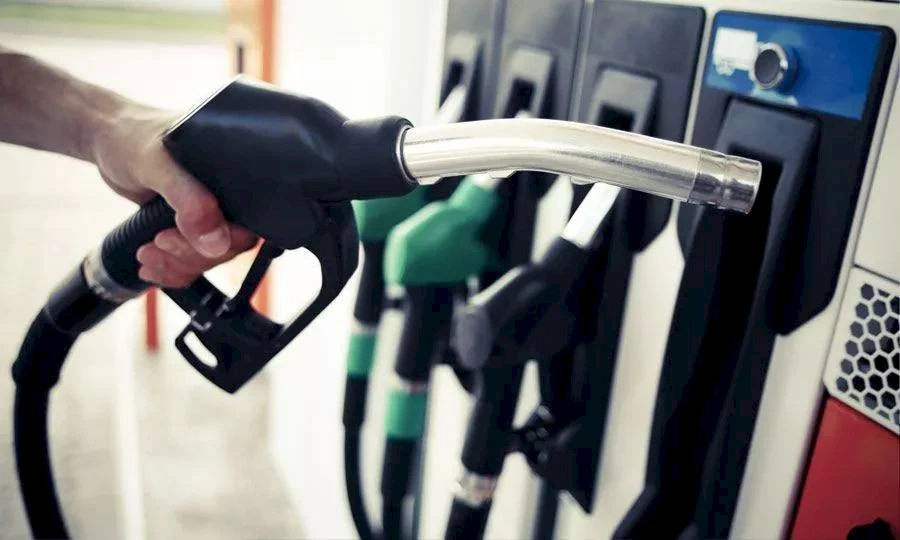
The European fuel market at the beginning of 2026 experienced a sharp change in trend. While prices were gradually decreasing until February, the situation changed dramatically in March: energy costs began to rise rapidly. This issue became especially relevant in the Republic of Cyprus, where logistics traditionally depend on sea supplies.
The catalyst was geopolitical tension around Iran — one of the key players in the global oil market. Risks of supply disruptions immediately affected prices in Europe. According to Eurostat, in March 2026, prices for fuel and lubricants rose by 12.9% in annual terms. The jump in prices for diesel fuel (+19.8%) and gasoline (+9.4%) is particularly noticeable.
Why are fuel prices in Cyprus rising slower than in the rest of Europe?
Against the backdrop of the pan-European price jump, the situation on the island looks almost like an exception: the increase in fuel costs here was only 1.5% in annual terms, which is one of the lowest indicators in the European Union. Even despite the monthly increase (diesel — +12.9%, gasoline — +7.9%), the overall pressure on consumers remains significantly lower than in most EU countries.
Experts explain this by several factors at once:
- more flexible supply logistics;
- less burden from heavy industry;
- government regulation measures smoothing out sharp fluctuations.
Europe: A map of uneven growth
Within the European Union, the price increase turned out to be extremely heterogeneous. The price hike hit a number of countries hardest:
- Germany — +19.8%;
- Romania — +19.6%;
- Netherlands — +18.8%;
- Latvia — +18.5%;
- Austria — +17.2%.
At the same time, individual states managed to keep prices stable or even reduce them, such as Hungary (−2.7%) and Slovenia (−5.9%). Monthly jumps were even more impressive: in some countries, diesel became more expensive by more than a quarter in just one month — in the Czech Republic and Sweden, the growth was 27.6%.
Factors of different price dynamics
The difference in price dynamics between countries is explained by a combination of several factors. First of all — tax policy. In countries with high excises, the growth of world prices is more strongly reflected in the final cost. No less important is the structure of the economy: industrial states feel the consequences of price shocks faster.
A single external factor — the rise in world prices — leads to completely different consequences within the EU due to logistics and the level of state intervention in pricing.
Germany: The leader in price growth
Germany attracts special attention. High taxes and environmental fees, combined with a powerful industry, create high demand, making the economy extremely sensitive to external energy shocks. An additional influence is exerted by the energy transformation: the rejection of traditional sources increases dependence on imports during the transition period.
How the EU is trying to contain the growth
In response to the challenges of 2026, the European Union is deploying a whole set of tools:
- Short-term: using strategic reserves and temporary tax cuts.
- Medium-term: market regulation and subsidies for the transport industry.
- Long-term: diversification of supplies and acceleration of the transition to electric vehicles.
Market prospects
The situation in the fuel market remains directly dependent on geopolitics. If tensions in the Middle East persist, pressure on prices will continue. The story of March 2026 showed: even within a single market, Europe remains heterogeneous, and in Cyprus, this is felt differently than on the continent.
Author

Born in the city of shipbuilders, Mykolaiv (Ukraine). Currently living in Moscow. Diplomat in reserve. More than 10 years of experience in the Mediterranean region (Greece, Cyprus). Until 2015, First Secretary of the Russian Embassy in Cyprus. Fluent in Greek and English. Completed civil service in…
You may also be interested in:
- Larnaca begins inspections of high-risk buildings: 563 cases in queue
- Europe speeds up energy pivot: What is behind the AccelerateEU initiative in Cyprus
- Europe at a crossroads: The fate of the sixth-generation fighter is decided in Cyprus
- The fuel question in the EU: Crisis or price shock in Cyprus?
- Emergency room visits increase in Cyprus due to dust storm
