
Europe at a crossroads: The fate of the sixth-generation fighter is decided in Cyprus
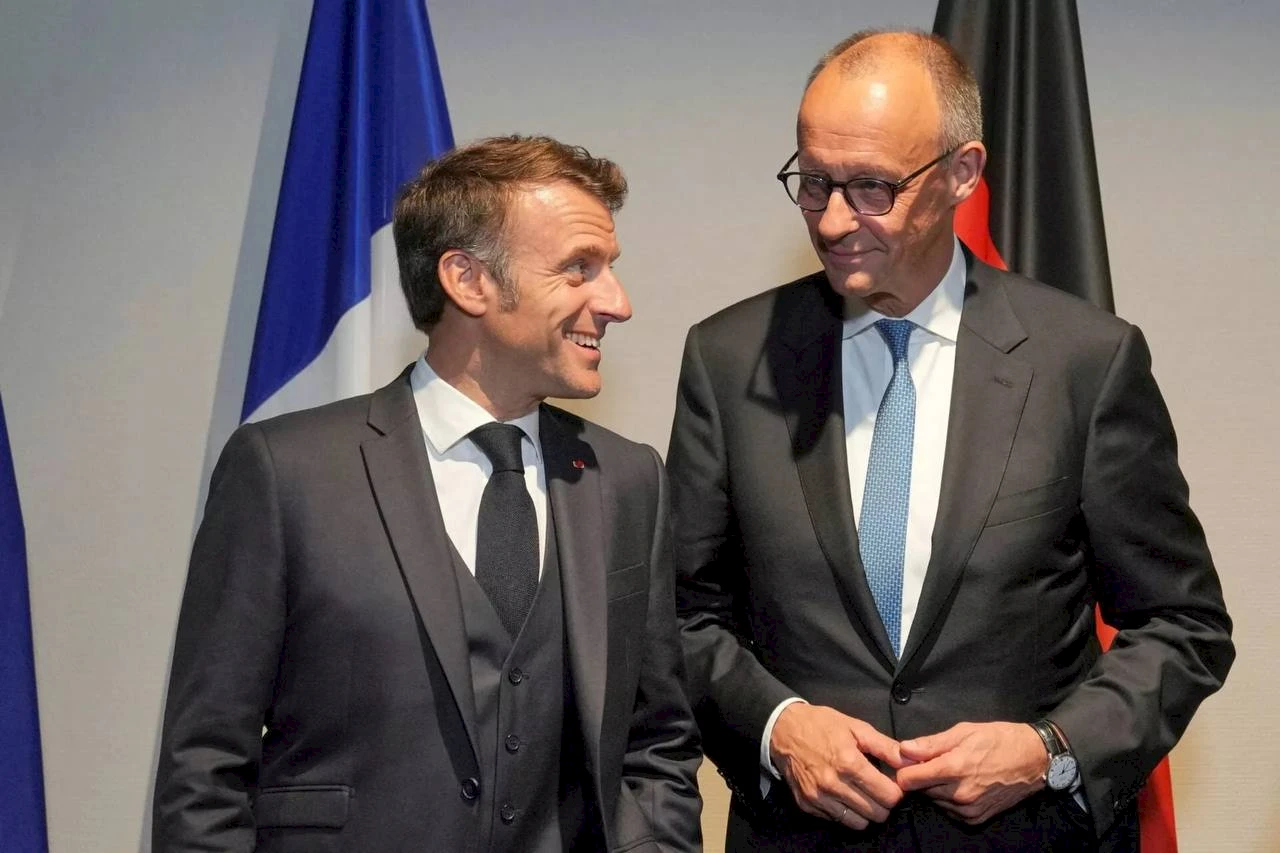
The meeting between French President Emmanuel Macron and German Chancellor Friedrich Merz, scheduled for April 23–24 on the sidelines of an informal European Union summit, could become a turning point for European defense policy. It is particularly symbolic that this historic choice is taking place in the Republic of Cyprus, which today serves as a key platform for discussing the EU's collective security.
On the agenda is the fate of the ambitious project to create a sixth-generation fighter, the Future Combat Air System (FCAS). The program is intended to replace current Dassault Rafale and Eurofighter Typhoon combat aircraft, but instead of demonstrating unity, Europe risks facing the failure of one of the largest defense projects of the 21st century.
What is the significance of the FCAS project for defense in Cyprus and the EU?
The FCAS project is the foundation of Europe's future strategic autonomy, providing EU member states, including the island of Cyprus, with access to advanced aviation technologies and a unified network-centric combat management system. The system includes not only a manned aircraft but also accompanying drones and a unified "combat cloud."
According to Handelsblatt, negotiations between Dassault Aviation and Airbus have reached an impasse. The issue of role distribution and intellectual property has become so complicated that the second phase of the program has been effectively frozen since January 2025. Now the decision depends on Berlin: whether Germany will remain in the project or put an end to it in the coming days.
French confidence and commercial calculation
The French side is negotiating from a position of strength. The reason is the steady demand for Rafale fighters on the world market, supported by large orders from India. While its competitor, the Eurofighter Typhoon, is losing tenders, Dassault plans to increase production to 35 aircraft per year by 2030.
A manufacturer already successfully selling a proven fighter can afford to take risks even in such a complex long-term project as a sixth-generation aircraft.
Spain: A third partner in question
Against this background, Spain looks vulnerable, financing about 33% of the 100-billion-euro program but not participating in the key meeting. The Spanish company Indra is responsible for the development of sensor systems—a critical element of the complex. Madrid has already invested more than 700 million euros in the SIAGEN program, but the question of its real influence on the project remains open.
German "Plan B": Europe into two camps?
Berlin is considering an alternative scenario: the creation of two separate fighters within the FCAS framework—one French and one Spanish-German. The Swedish company Saab could also join the project in this format. However, such a scenario carries serious risks:
- loss of capabilities to create a unified carrier-based aviation;
- difficulties with the integration of nuclear weapons;
- fragmentation of the arms export market.
A decisive moment for European unity
The fate of FCAS now depends solely on political will. The decision that will be made following the negotiations in Cyprus will determine Europe's ability to act as a unified strategic entity. If a compromise between Macron and Merz is not found, the continent risks losing not just a 100-billion-euro program, but a symbol of its defense autonomy.
Author

Born in the city of shipbuilders, Mykolaiv (Ukraine). Currently living in Moscow. Diplomat in reserve. More than 10 years of experience in the Mediterranean region (Greece, Cyprus). Until 2015, First Secretary of the Russian Embassy in Cyprus. Fluent in Greek and English. Completed civil service in…
