
Venomous spiders in Cyprus — which species are found and how dangerous they are
Spiders are found all over Cyprus, especially in rural areas and at the foothills of mountains, but there is no need to fear them. Most are completely harmless to humans and provide benefits by controlling pest insects. However, some species may bite if handled carelessly, causing mild swelling or skin irritation.
- European Tarantula
- Wolf Spider
- Jumping Spider
- Rare and Unusual Species
- First Aid for a Spider Bite
- Frequently Asked Questions
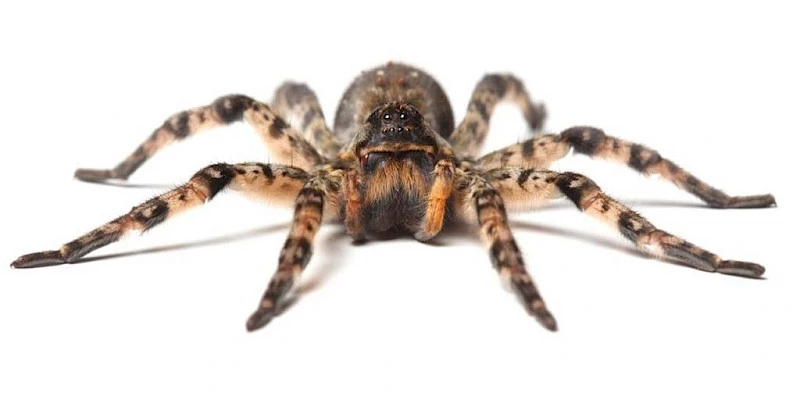
European Tarantula
European Tarantula (Lycosa tarantula) is one of the most notable representatives of Cypriot fauna. The body length of an adult reaches 4–5 cm, and with legs up to 10 cm. Prefers dry, rocky areas and is active at night.
Danger: bites only when defending itself. Painful, comparable to a wasp sting, but not life-threatening. Symptoms include redness, swelling, and localized burning. It is recommended to wash the bite area and avoid scratching the skin.
Wolf Spider (Cypriot Tarantula)

Wolf Spider (Hogna radiata) belongs to the Lycosidae family. Average body size is up to 3 cm. It has characteristic striped coloration that helps it blend with the soil. Active on the ground, does not spin webs, hunts insects.
Danger: not venomous. Bites only when threatened, usually in self-defense. May cause minor skin irritation. Prefers moist meadows and fallen leaves, avoids humans.
Jumping Spider
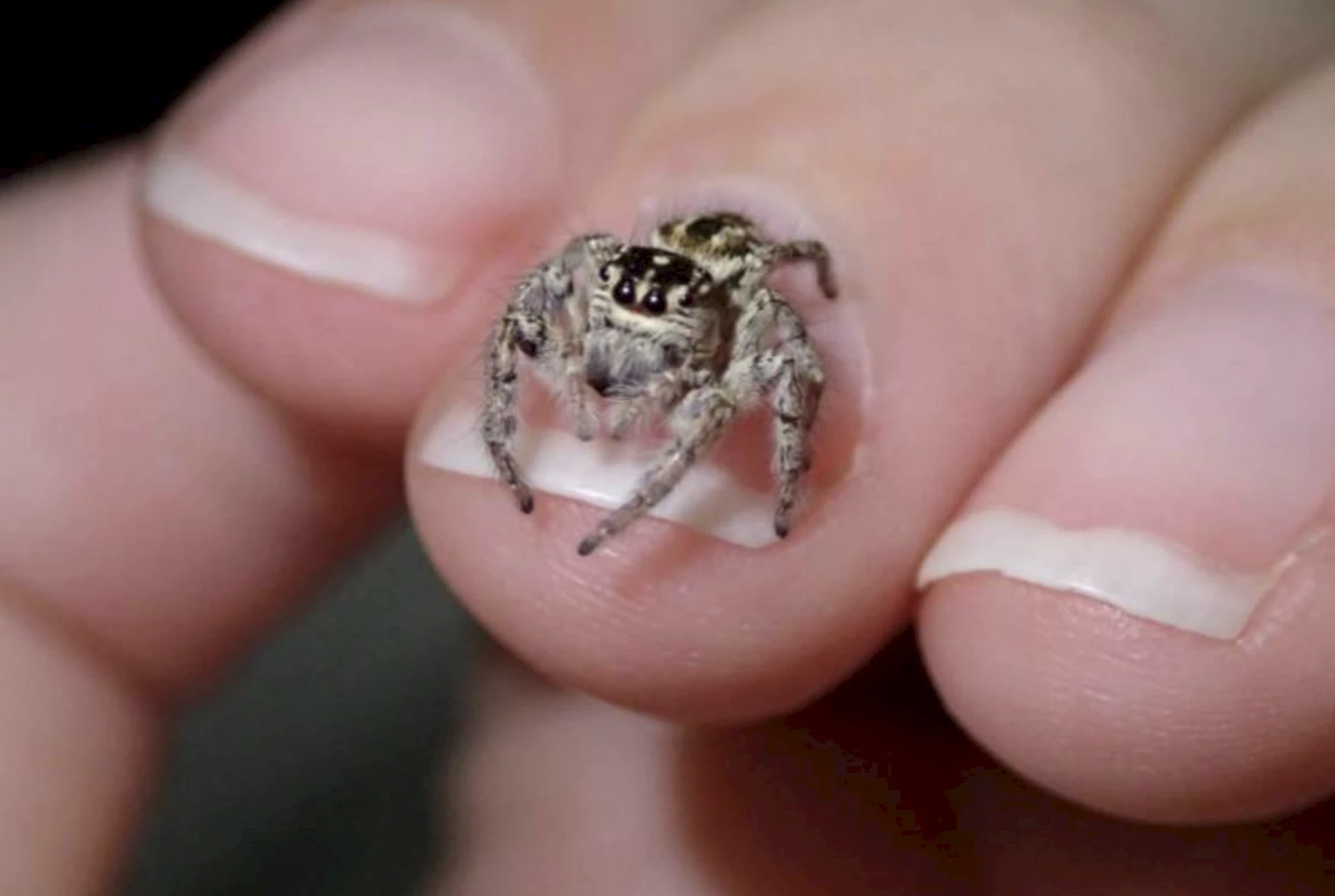
Jumping Spider (Salticidae) is a small, active hunter, body length about 0.5–2 cm. Can jump distances many times its body length. Prefers sunny areas — walls of houses, fences, rocks.
Danger: harmless. Venom is weak and has no significant effect on humans. May bite if squeezed, causing only mild itching.
Rare and Unusual Species
In 2010, in Paphos, a specimen resembling a Black Widow was found. Studies confirmed it is indeed a member of the genus Latrodectus, but it is extremely rare. No new confirmed sightings have occurred in recent years.
In 2018, in the Besparmak Mountains, Cypriot and Turkish scientists discovered a new species in the family Dysderidae — Harpactea Günselorum. This spider feeds on ants and is completely harmless to humans.
First Aid for a Spider Bite
1. Wash the bite area with warm water and soap. 2. Apply an antiseptic (e.g., chlorhexidine solution). 3. For itching or redness, use CLAMINE-T lotion — available in Northern Cyprus pharmacies as a stick. 4. If severe swelling, nausea, or difficulty breathing occurs — seek medical attention immediately.
More about medicines in Northern Cyprus — in a separate article.
Frequently Asked Questions About Spiders in Cyprus
Are spiders dangerous in Cyprus?
Most species are safe. Bites are rare and usually not serious. Exceptions are extremely rare — for example, isolated cases of tarantula or Latrodectus bites.
Should I see a doctor after a bite?
If there are no signs of severe allergy (difficulty breathing, dizziness, widespread rash), treating the wound and monitoring is sufficient. If condition worsens — contact the nearest medical center or call 112.
Are spiders useful?
Yes. They help control flies, mosquitoes, and other insects. It is better not to kill spiders at home unnecessarily — they play an important ecological role.
Tip: If you live or vacation in Cyprus, exercise caution while cleaning, in gardens, or under rocks. Spiders are not aggressive and attack only when threatened.
Follow new materials about the nature of Northern Cyprus on our Telegram channel and Instagram.
Author

I am a person who is not afraid to change life when my heart tells me that something greater lies ahead. I am originally from Belarus. I have journeyed from pedagogical and economic education to the financial sector and many years of work in logistics — a world where everything moves, changes,…
You may also be interested in:
- Early Flowers in Northern Cyprus: Anemones and Other Winter-Spring Plants
- Do you need to notify the veterinary service if your pet has died in Northern Cyprus?
- Where to buy party supplies in Northern Cyprus
- Where to buy horse riding tack and equipment in Northern Cyprus
- Идеи подарков на День святого Валентина на Северном Кипре